
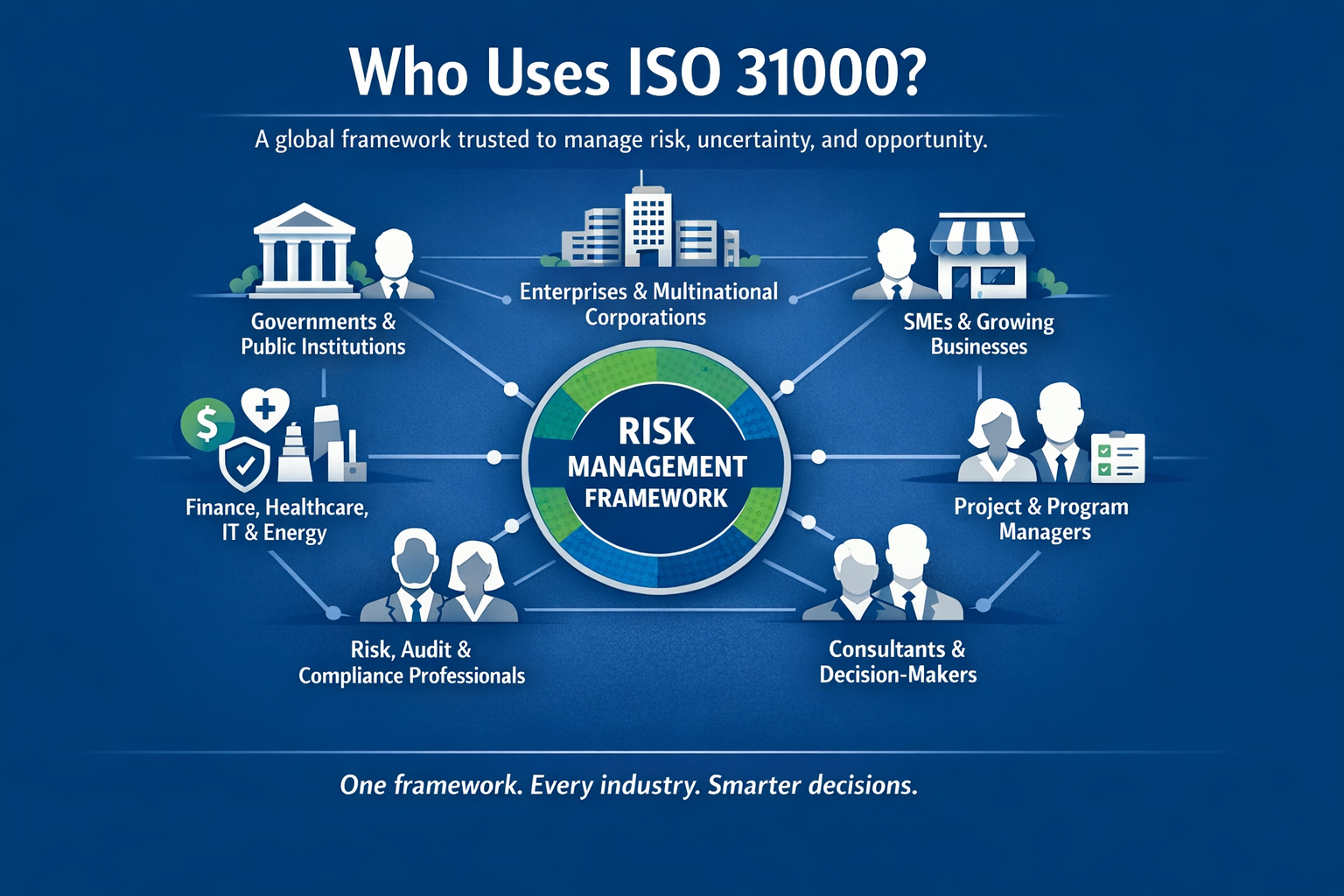
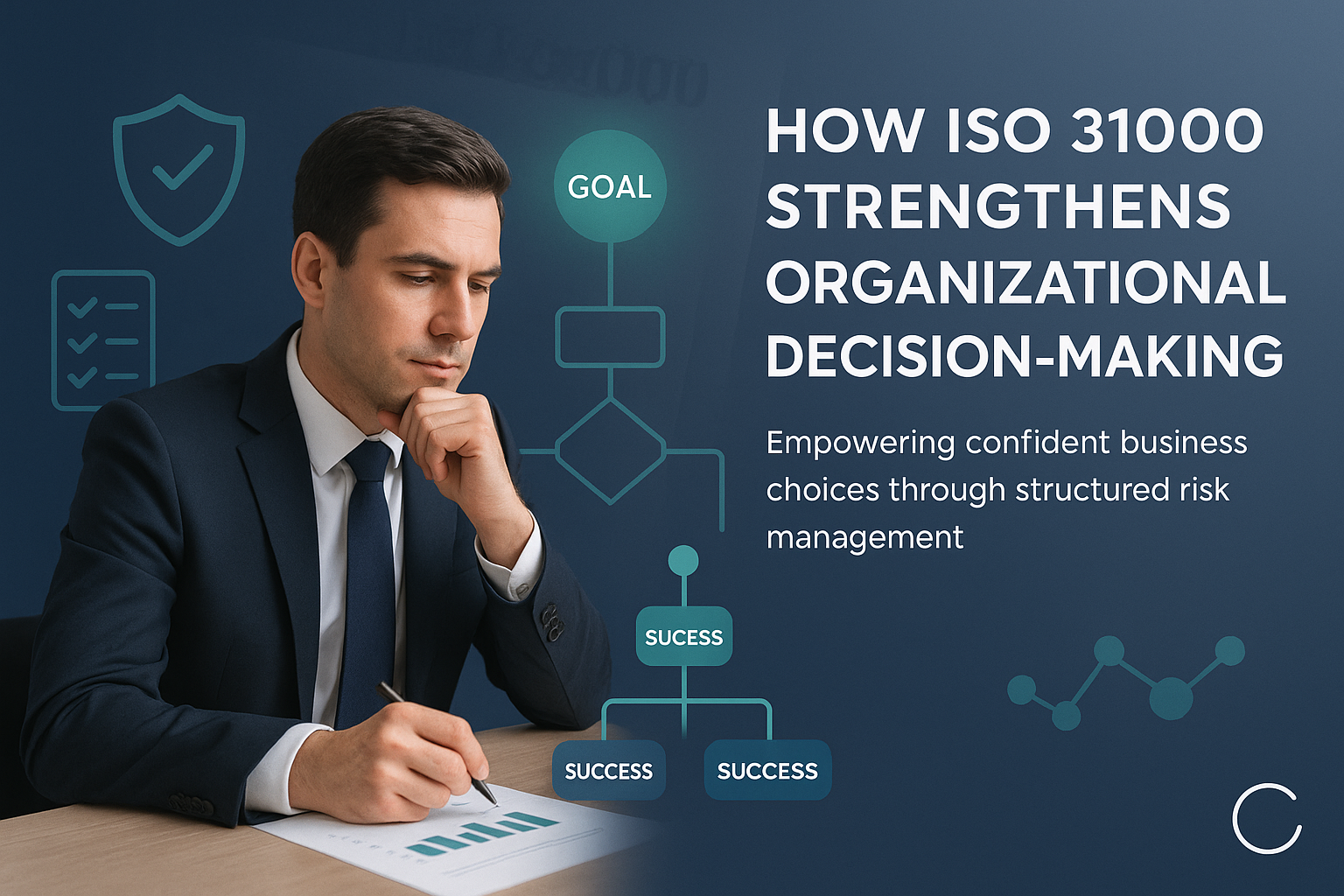
A 12-person startup and a 10,000-employee multinational face very different risks but both can apply the same ISO 31000 framework effectively, as long as they scale it to fit their reality. One of the standard's most valuable qualities is that it isn't a rigid checklist; it's a set of principles designed to be tailored to an organization's specific size, structure, and risk profile.
That flexibility comes directly from the "Customized" principle within the ISO 31000 8 Principles and understanding how to apply it differently depending on organizational size is often the difference between a risk process that actually works and one that just looks good on paper.
What Changes for Small Businesses
Smaller organizations typically have fewer resources, less formal structure, and leaner teams which means risk management needs to be lightweight and practical, not bureaucratic.
Fewer dedicated roles often, one person (an operations lead or founder) handles risk alongside other responsibilities
Faster decision-making smaller teams can act on identified risks quickly, without layers of approval
Resource constraints formal risk software or dedicated committees usually aren't realistic early on
Higher exposure per risk a single major risk (losing a key client, a cash flow gap) can threaten the whole business, so prioritization matters more than breadth
For small businesses, the goal isn't building an elaborate risk framework it's identifying the two or three risks that could genuinely end the business, and managing those well.
What Changes for Large Enterprises
Larger organizations face the opposite challenge: not a lack of resources, but complexity and coordination across many departments, regions, and risk types.
Formal governance structures dedicated risk committees, chief risk officers, and board-level reporting
Cross-departmental risks a single risk (like a data breach) can touch legal, IT, communications, and finance simultaneously
Longer decision cycles more stakeholders need to be consulted before major risk decisions are made
Greater regulatory exposure larger organizations often face more compliance requirements across multiple jurisdictions
For enterprises, the challenge is less about identifying risks and more about ensuring consistency making sure every department applies risk criteria the same way, so risks can be meaningfully compared and prioritized at a company-wide level.
Common Ground: What Both Need to Get Right
Despite these differences, both small and large organizations need the same foundational elements to apply ISO 31000 well:
Clear ownership someone specific accountable for each identified risk, regardless of company size
Honest risk criteria realistic definitions of what counts as "high impact" for your specific context
Regular review risk isn't a one-time exercise at any scale
Why Formal Training Helps at Any Size
Whether you're building a risk process from scratch at a small company or trying to standardize one across dozens of departments at a large enterprise, understanding how to scale ISO 31000 correctly is a genuinely learnable skill. This is where structured ISO 31000 certification adds real value rather than guessing how much formality your organization actually needs, training walks through real case studies across different organization sizes, helping you avoid both under-engineering (too casual for a growing company) and over-engineering (too bureaucratic for a lean team) your risk approach. NovelVista's ISO 31000 Risk Manager Certification Training covers exactly this kind of practical, context-specific application.
Scaling Thoughtfully as You Grow
Perhaps the most important insight is that an organization's risk approach shouldn't stay static. A risk process built for a 10-person team will eventually strain under the weight of 200 employees, and an enterprise-grade governance structure would smother a small business before it even gets off the ground. The organizations that apply ISO 31000 most successfully revisit their approach periodically, adjusting formality and structure as they grow treating the framework as something that evolves with them, not a one-time setup they never touch again.





Write a comment ...