
Organizations face a wide range of risks—financial, operational, cybersecurity, legal, reputational, and strategic. These risks can arise from internal processes, external market conditions, emerging technologies, or global events. Without a structured approach to identifying and managing these uncertainties, organizations can suffer major setbacks, financial losses, and disruptions in their operations. This is why risk management has become an essential function in modern organizations, regardless of size, industry, or location.
Risk management involves a systematic process of identifying, assessing, mitigating, and monitoring risks. It enables organizations to handle uncertainties proactively rather than reactively. Instead of waiting for problems to occur, risk management equips businesses with the strategies to foresee challenges and take action before they escalate.
1. Enhances Decision-Making and Strategic Planning
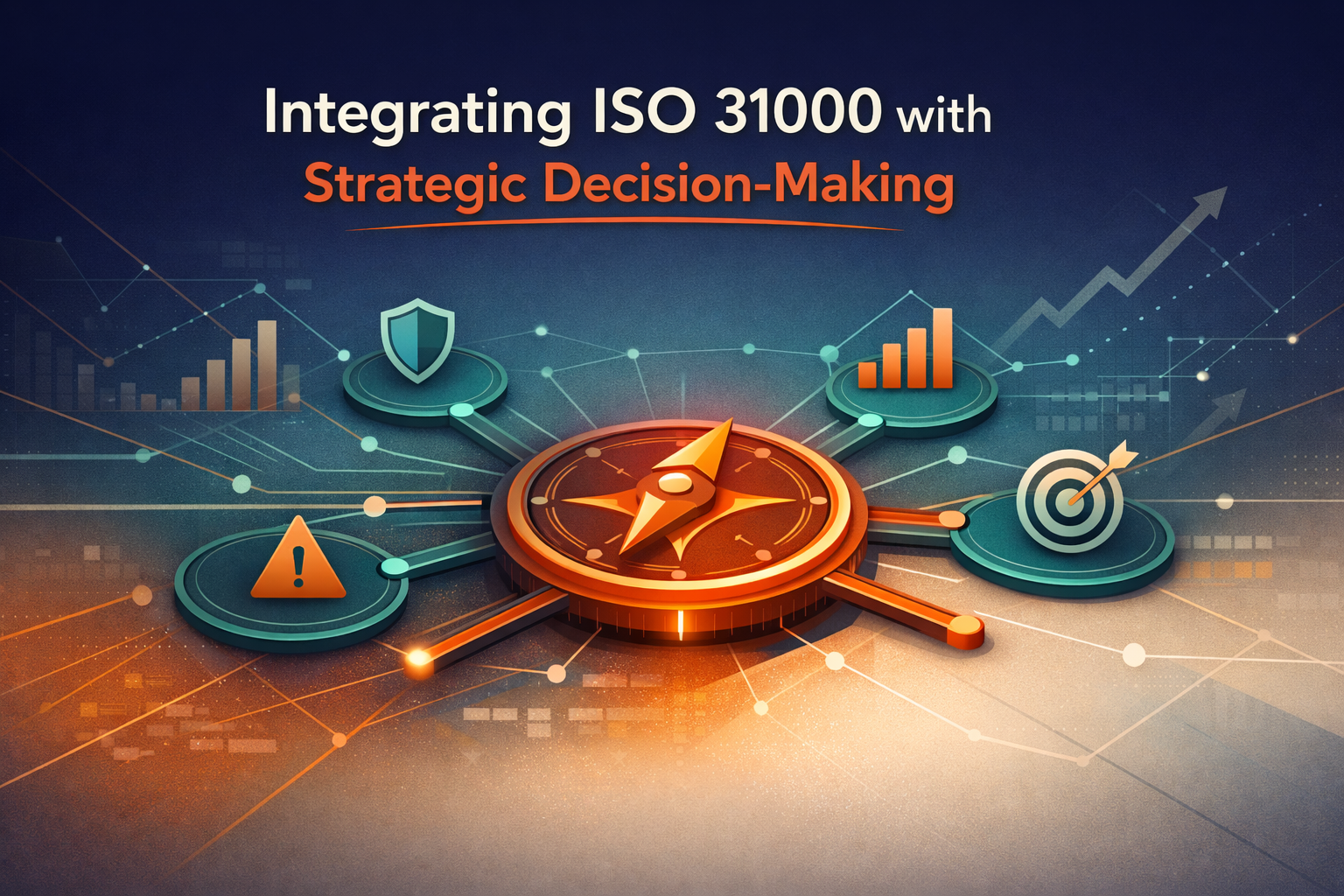
One of the most significant reasons risk management is essential is its role in improving strategic decision-making. Leaders who understand potential risks can make more informed choices about investments, expansion, new projects, and innovation. Risk management provides a clear view of potential outcomes, which helps organizations evaluate whether the reward of an action outweighs the associated risks.
This clarity allows organizations to:
Prioritize opportunities with the highest value
Allocate resources more effectively
Avoid decisions that could lead to operational or financial instability
2. Protects Organizational Assets and Reputation
Reputation is one of the most valuable assets a company has. A single negative incident—such as a data breach, product failure, or public controversy—can damage customer trust and brand value. Effective risk management helps organizations anticipate such threats and develop preventive measures.
For example:
Cybersecurity risk controls protect customer data.
Quality assurance systems prevent flawed products from reaching customers.
Crisis communication plans ensure the organization responds effectively if an issue occurs.
By reducing the likelihood of failures and mishandling, risk management safeguards both tangible and intangible assets.
3. Ensures Business Continuity and Resilience
Unexpected disruptions such as natural disasters, supply chain failures, or market volatility can halt operations. Organizations with strong risk management frameworks are better prepared to maintain continuity. They identify critical processes, develop backup plans, and test response strategies.
This resilience helps organizations:
Minimize downtime
Reduce financial loss
Recover faster from disruptions
In a world where change is constant, business resilience is no longer optional—it is crucial for survival.
4. Improves Compliance and Regulatory Alignment
Many industries are governed by strict regulations, particularly healthcare, finance, manufacturing, and technology. Risk management helps organizations understand and comply with legal and regulatory requirements. Non-compliance can result in penalties, lawsuits, and reputational harm.
A structured approach ensures:
Processes are documented and monitored
Compliance gaps are identified early
Reporting obligations are met accurately and on time
This not only avoids penalties but builds trust among stakeholders.
5. Encourages a Proactive Organizational Culture
Risk management promotes a culture of awareness and responsibility at all levels. Employees understand potential risks in their work and take preventive steps instead of waiting for directions. When risk awareness becomes part of the organizational mindset, operations become more efficient, safe, and adaptable.
How ISO 31000 Certification Supports Effective Risk Management
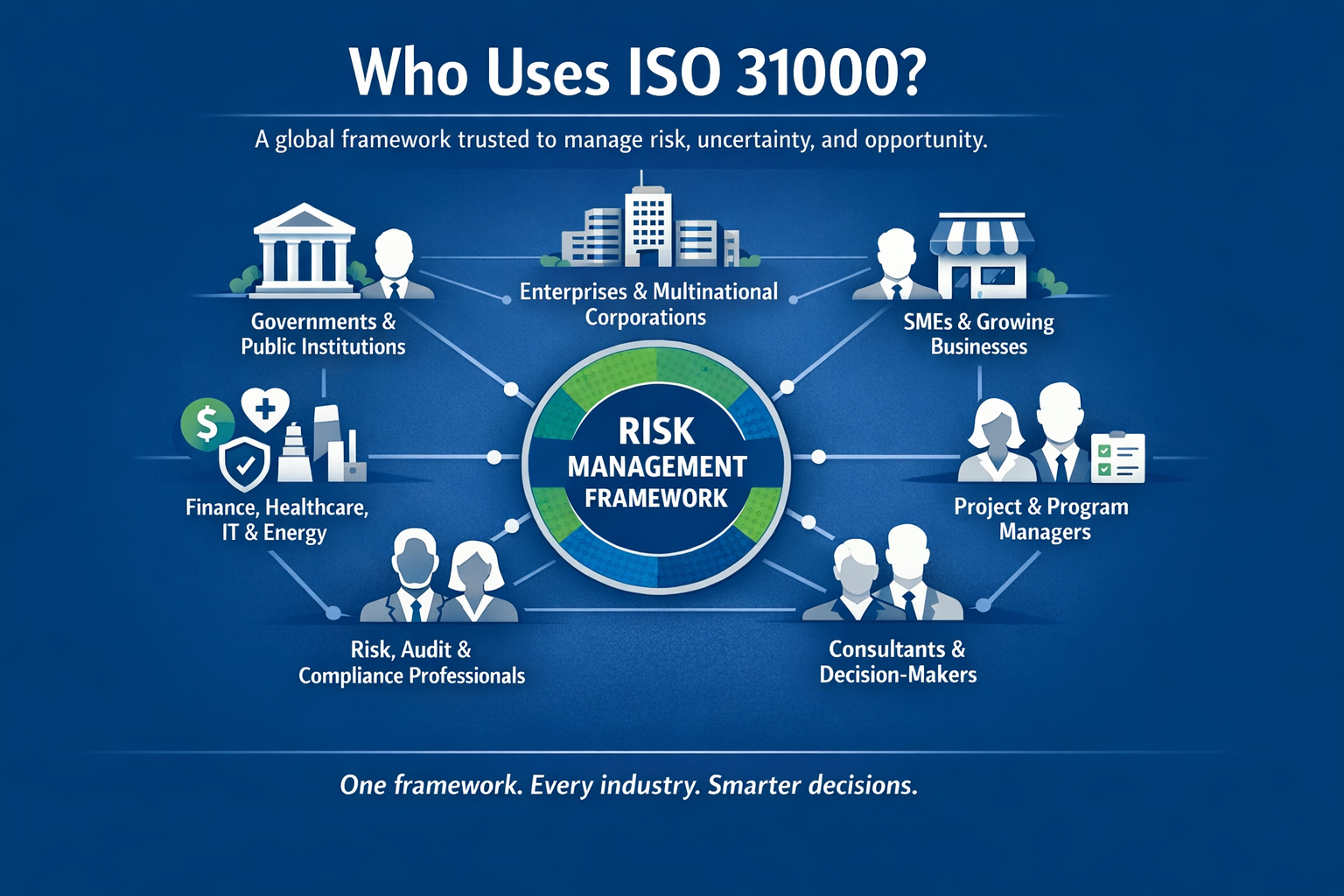
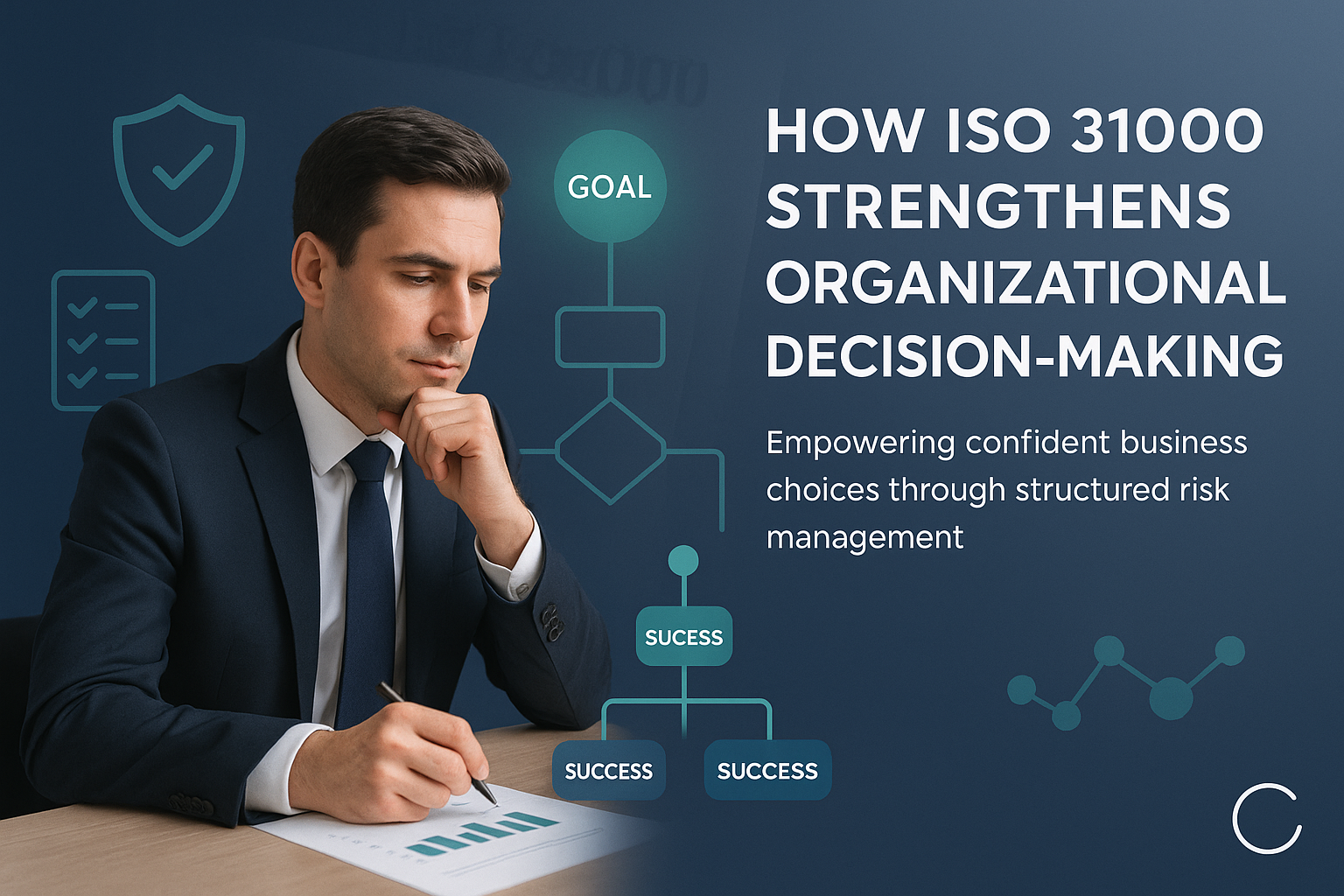
ISO 31000 Certification supports organizations in strengthening their risk management practices by offering a structured and internationally recognized framework for identifying, assessing, and controlling risks. It helps leaders integrate risk management into strategic planning and daily decision-making, ensuring that risks are not handled reactively but proactively. By establishing clear roles, improving communication, and promoting a culture of accountability, ISO 31000 enhances organizational resilience and readiness for uncertainties. It also builds stakeholder confidence by demonstrating that the organization follows proven global standards to maintain stability, safeguard assets, and support sustainable growth.
Conclusion
Modern organizations operate in an environment defined by uncertainty. Risk management is no longer just a back-office function—it is a strategic necessity. By anticipating challenges, evaluating potential impacts, and preparing effective responses, risk management protects organizational assets, enhances decision-making, ensures compliance, and strengthens resilience. Organizations that invest in strong risk management practices are better equipped to navigate complexities, seize opportunities, and achieve long-term success.





Write a comment ...