
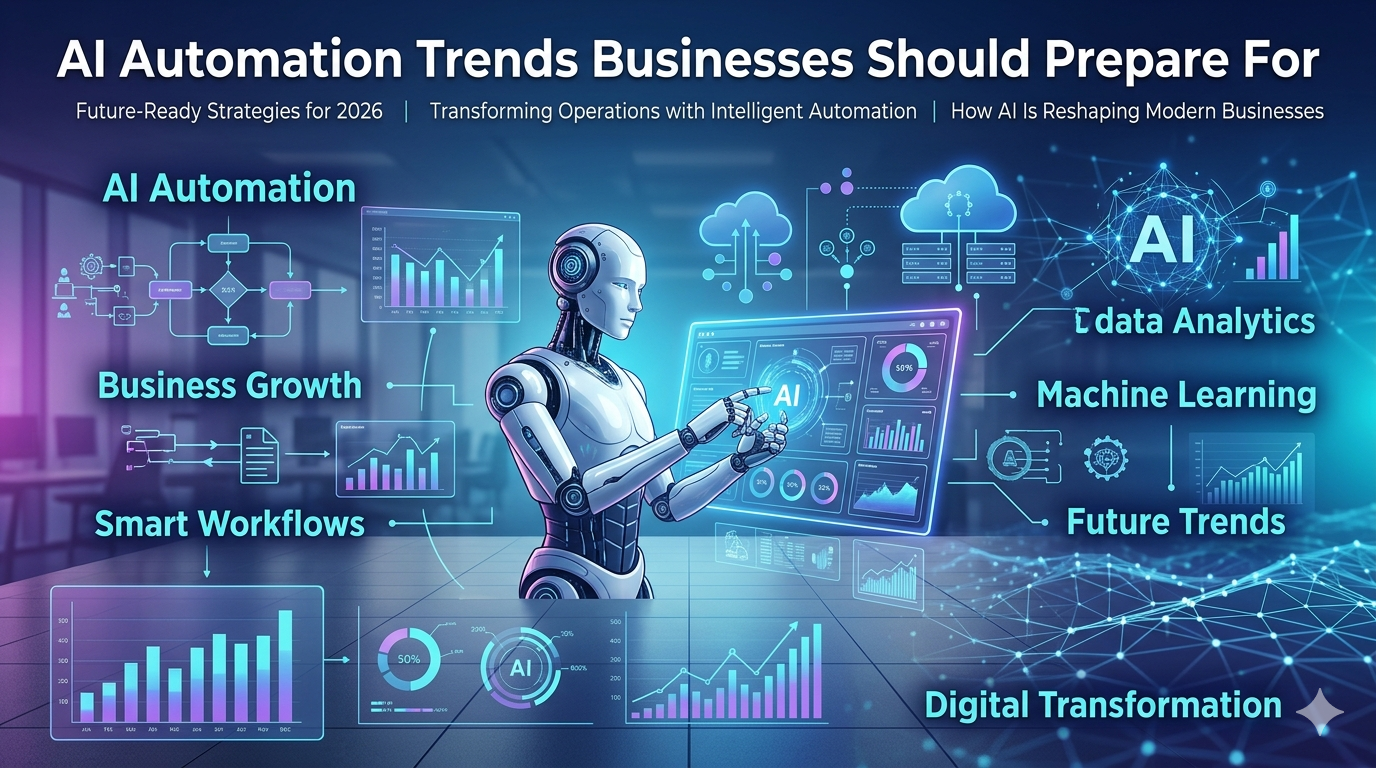
In today’s fast-paced digital landscape, systems are becoming more distributed, dynamic, and complex than ever before. Traditional monitoring is no longer enough to ensure reliability or performance. This is where observability steps in — offering deep visibility into systems, applications, and user experiences. But the story doesn’t stop there. The future of observability is evolving rapidly, powered by artificial intelligence (AI), automation, and predictive insights.
Learn More: SRE Observability Guide: Fix Issues Before Users Notice
From Monitoring to Intelligent Observability
In the past, monitoring focused on collecting static metrics like CPU usage or response time. It told you what was wrong — not why it happened. Observability changes that by analyzing logs, metrics, and traces together to provide actionable context.
Now, organizations are taking the next step with AI-driven observability — systems that automatically detect anomalies, correlate events, and even suggest or perform corrective actions. This shift is helping teams respond faster, reduce downtime, and improve user experience.
AI: The Engine Behind Smart Observability
AI is becoming the backbone of modern observability platforms. Through machine learning algorithms, AI can identify patterns, predict failures, and detect deviations before they impact users.
For instance, when hundreds of microservices interact, it’s nearly impossible for human operators to manually pinpoint the root cause of an issue. AI simplifies this by analyzing thousands of data points in real-time and surfacing the exact source of the problem.
This proactive intelligence transforms observability from a reactive tool into a predictive system — one that anticipates issues before they occur. As a result, teams can move from firefighting to fine-tuning performance and reliability.
Automation: Reducing Human Effort, Increasing Accuracy
Automation complements AI by reducing manual intervention. Automated observability tools can handle repetitive tasks such as log collection, alert configuration, and incident response.
When an anomaly is detected, automated workflows can trigger recovery actions like restarting services, reallocating resources, or rolling back deployments — without waiting for human input.
This not only reduces mean time to recovery (MTTR) but also frees up engineers to focus on strategic improvements rather than constant troubleshooting.
In large-scale environments, automation ensures consistency, speed, and reliability — critical for maintaining uptime and service-level objectives (SLOs).
Predictive Insights: Shaping the Future of Reliability
The true power of next-generation observability lies in predictive insights. By analyzing historical data trends, observability platforms can forecast potential risks — whether it’s a traffic surge, performance degradation, or infrastructure bottleneck.
Predictive insights empower teams to act before problems occur, shifting operations from reactive maintenance to preventive reliability engineering.
This is particularly vital in cloud-native ecosystems, where system behavior changes dynamically. Predictive observability ensures organizations can stay ahead of failures, optimize performance, and deliver seamless digital experiences.
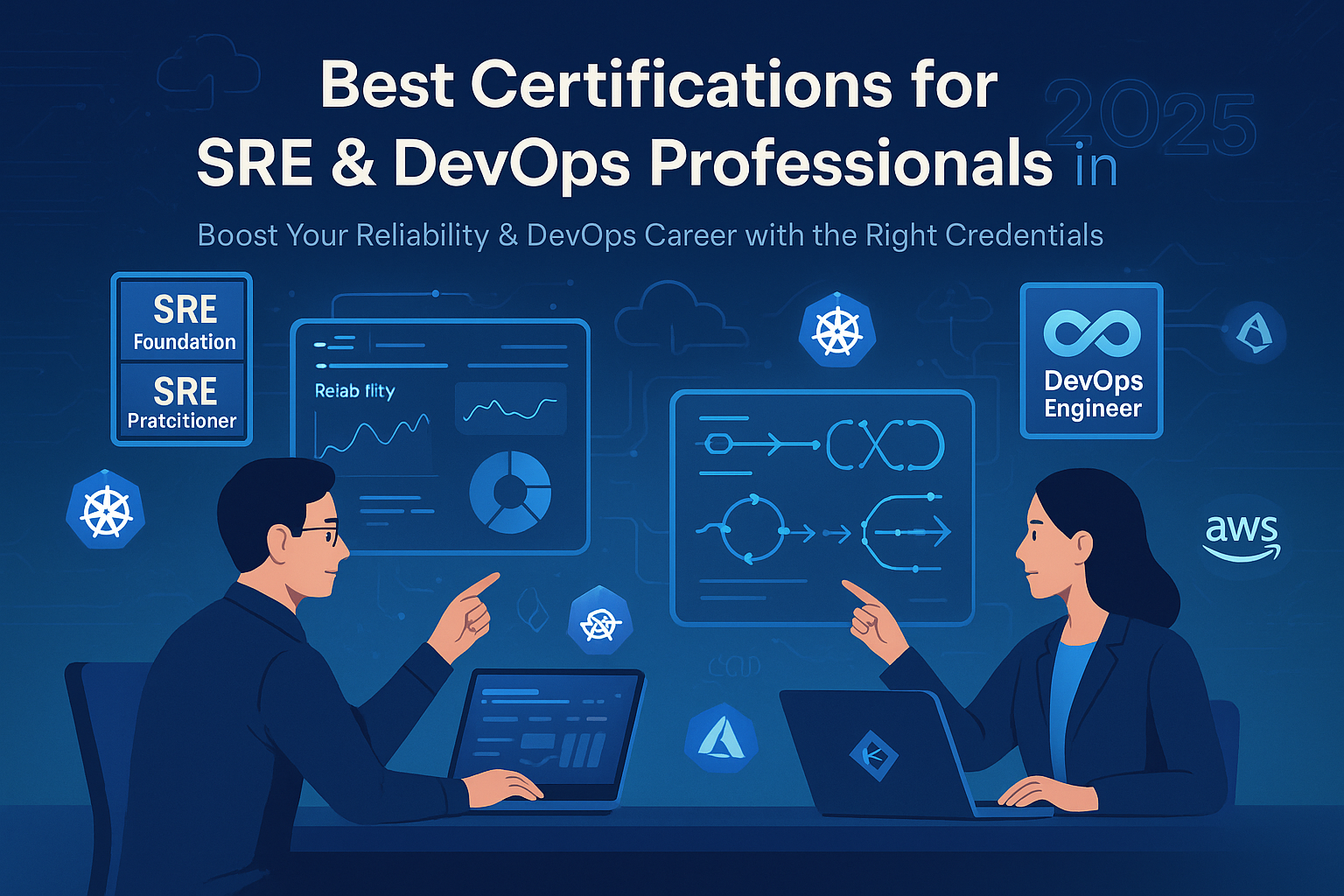
Why SRE Foundation and SRE Practitioner Certifications Matter
As observability continues to advance with AI and automation, the role of Site Reliability Engineers (SREs) becomes even more critical. SREs bridge the gap between development and operations, ensuring reliability through metrics, monitoring, and automation.
The SRE Foundation Certification provides professionals with a solid understanding of core SRE principles, including service level objectives (SLOs), error budgets, and the fundamentals of automation. It helps individuals grasp how observability fits into the broader reliability framework.
The SRE Practitioner Certification goes deeper, focusing on practical implementation — teaching engineers how to apply observability strategies, automate responses, and manage large-scale systems effectively.
Together, these certifications empower professionals to harness the full potential of modern observability tools, use AI insights effectively, and lead reliability transformations within their organizations.
Conclusion
The future of observability is intelligent, automated, and predictive. As AI and automation reshape how we manage systems, engineers must adapt their skills to stay ahead. Observability is no longer just a technical capability — it’s a strategic necessity for digital resilience.
By combining the power of AI-driven insights with SRE-certified expertise, organizations can achieve unparalleled reliability, efficiency, and innovation in their digital operations.




Write a comment ...