
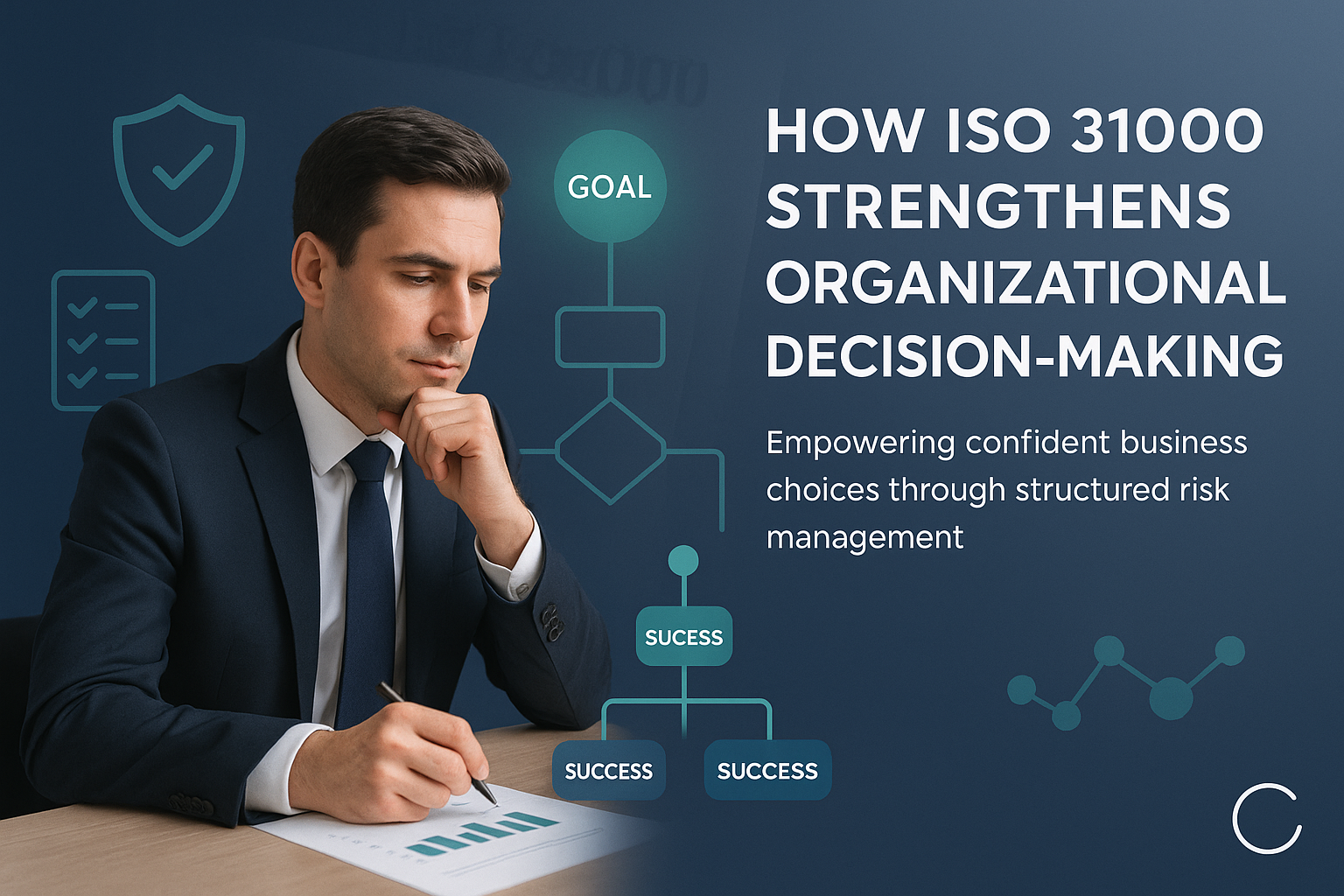
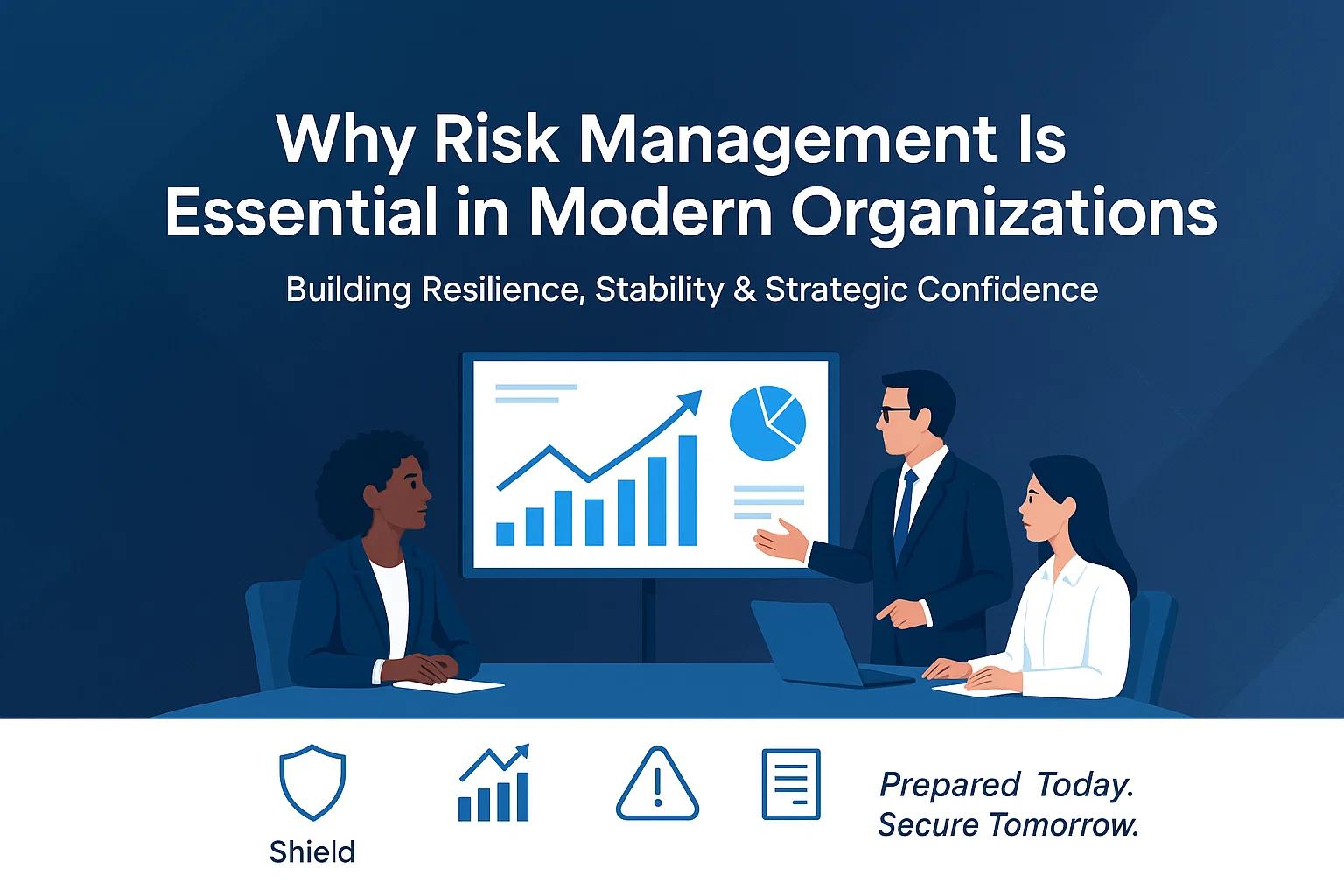
In an environment where risks evolve faster than strategies, organizations cannot rely on reactive responses or isolated risk assessments. The ISO 31000 Risk Management Standard promotes a practical, proactive, and organization-wide approach to managing uncertainty. Instead of treating risk management as a compliance task or a one-time project, ISO 31000 encourages organizations to embed risk thinking into everyday decisions, behaviors, and culture. This approach strengthens resilience, enhances performance, and ensures long-term sustainability.
Learn More: ISO 31000 Risk Management Framework Guide (2025)
Moving from Reactive to Proactive Risk Management
Many organizations traditionally respond to risks only after they occur—resulting in financial losses, operational disruptions, or reputational damage. ISO 31000 replaces this reactive mindset with a proactive one. At its core, the framework focuses on identifying and addressing risks before they escalate. Through continuous monitoring, early warning indicators, scenario planning, and risk-based decision-making, organizations can anticipate challenges instead of being caught off guard.
This proactive stance not only protects against threats but also helps organizations seize opportunities. ISO 31000 defines risk not just as negative events, but also as positive possibilities that can drive growth. When organizations proactively assess both risk and opportunity, they become more agile and better equipped for strategic advantage.
A Practical and Tailored Approach
ISO 31000 is not a rigid checklist. It is a flexible framework that can be tailored to the size, complexity, and context of any organization—whether corporate, government, NGO, or startup. Instead of forcing organizations to follow a fixed method, it allows them to select risk assessment tools, controls, and reporting mechanisms that fit their operational realities.
The practical nature of ISO 31000 ensures that risk management is:
Efficient: Focused on what matters most
Relevant: Linked to business objectives
Integrated: Embedded in projects, processes, and strategic planning
Realistic: Easy to apply without creating unnecessary administrative effort
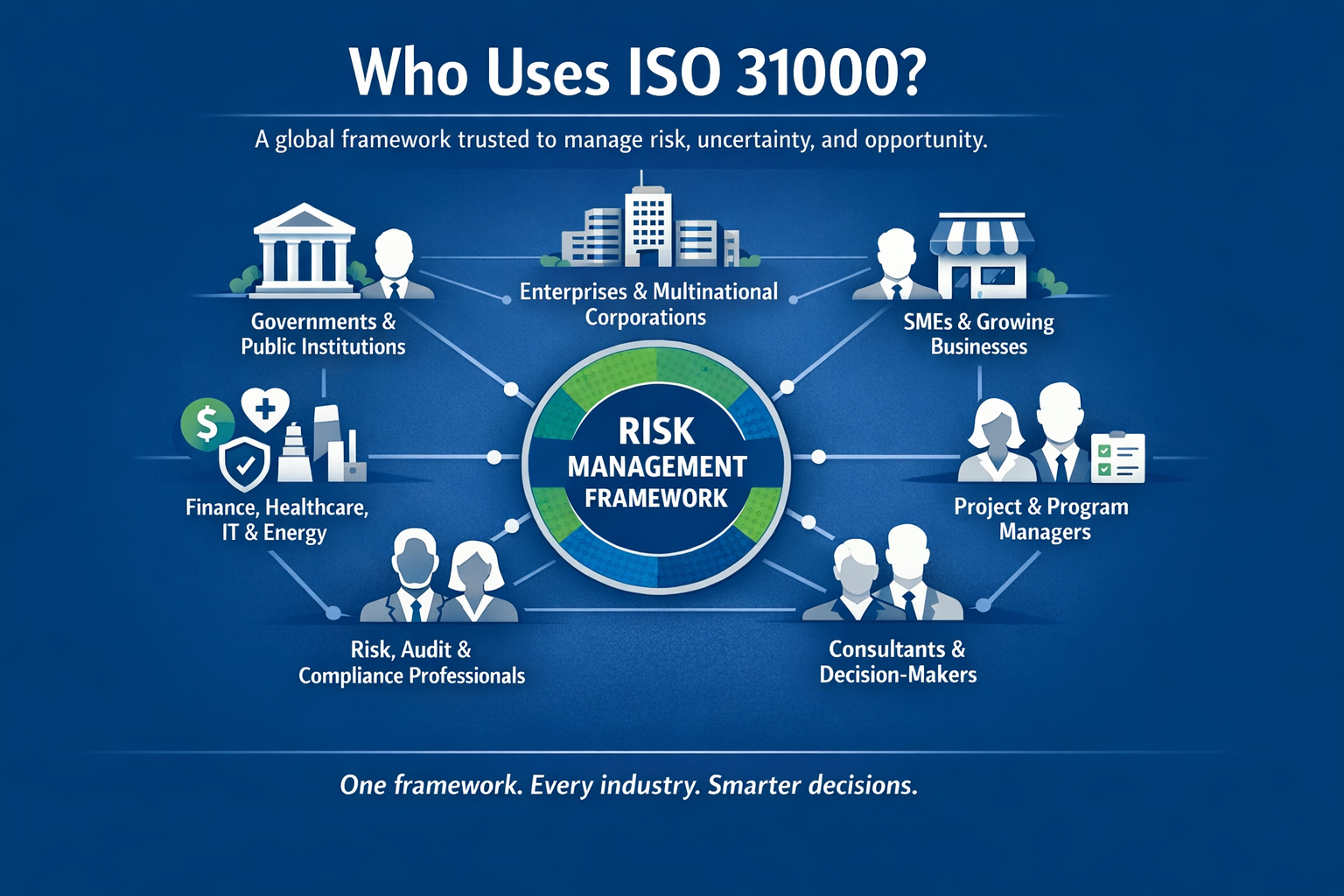
This adaptability is one of the reasons ISO 31000 is used globally across industries such as finance, technology, healthcare, manufacturing, energy, and public administration.
Organization-Wide Integration
A key principle of ISO 31000 is that risk management is everyone’s responsibility, not just the job of the risk or compliance department. To be effective, the framework requires:
Leadership commitment to promote a risk-aware culture
Clear communication and accountability
Training and awareness to equip employees with the right mindset and tools
When risk management is integrated across functions—procurement, HR, operations, IT, finance, and strategy—it builds shared responsibility and transparency. This organization-wide involvement ensures risks are recognized earlier and decisions are informed by reliable insights.
Strengthening Culture and Decision-Making
ISO 31000 encourages organizations to build a risk-aware culture where employees are empowered to speak up and evaluate decisions thoughtfully. This cultural shift leads to:
More stable operations
Better resource management
Faster response to disruption
Reduced compliance breaches
Improved stakeholder trust
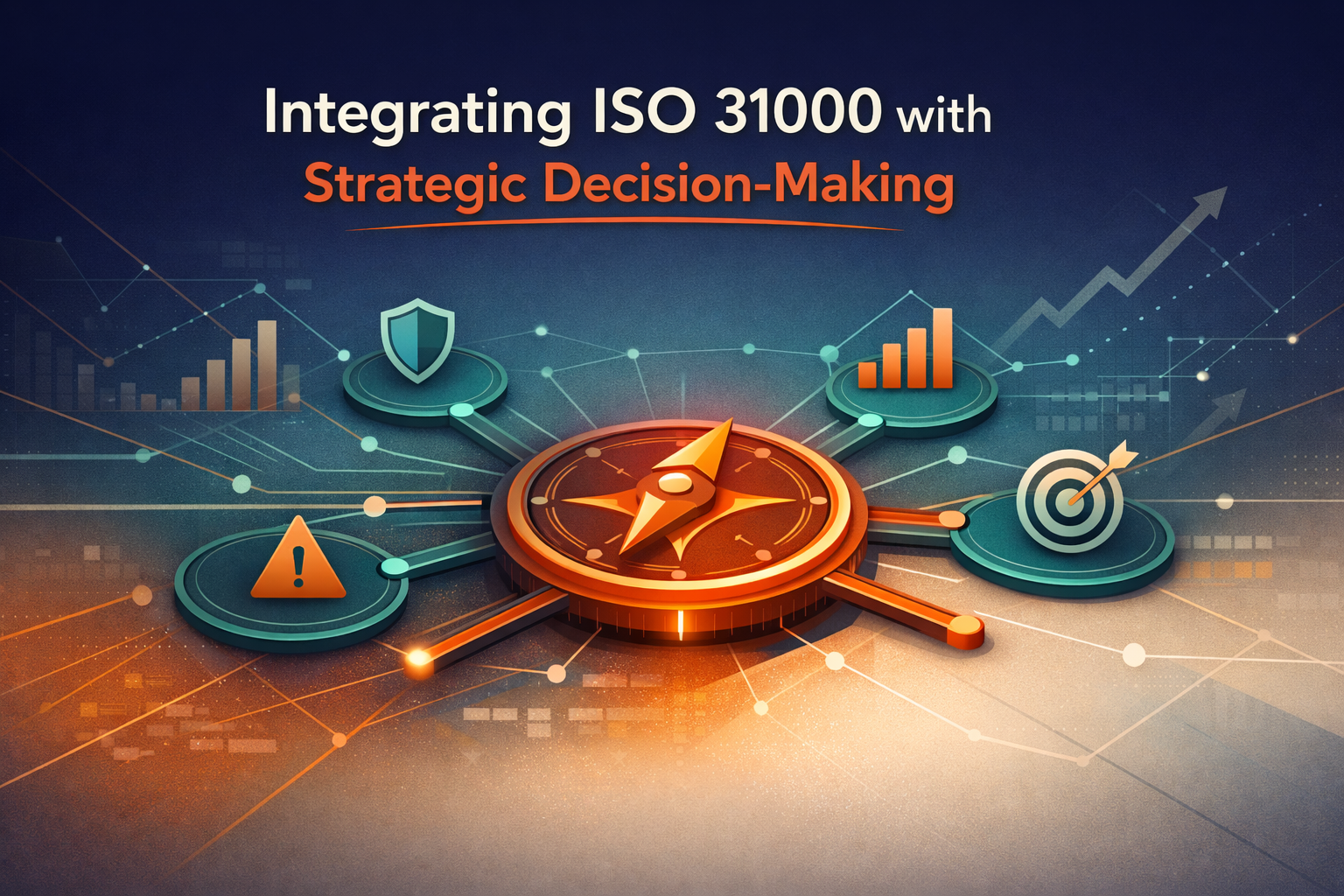
Organizations that embed ISO 31000 principles into daily operations find that risk-based thinking becomes second nature, improving both strategic and operational decision-making.
Conclusion
A practical, proactive, and organization-wide approach to risk management is no longer optional—it is essential for long-term success. ISO 31000 Certification provides organizations with the guidance to predict potential challenges, take advantage of emerging opportunities, and align risk management with business goals.





Write a comment ...