
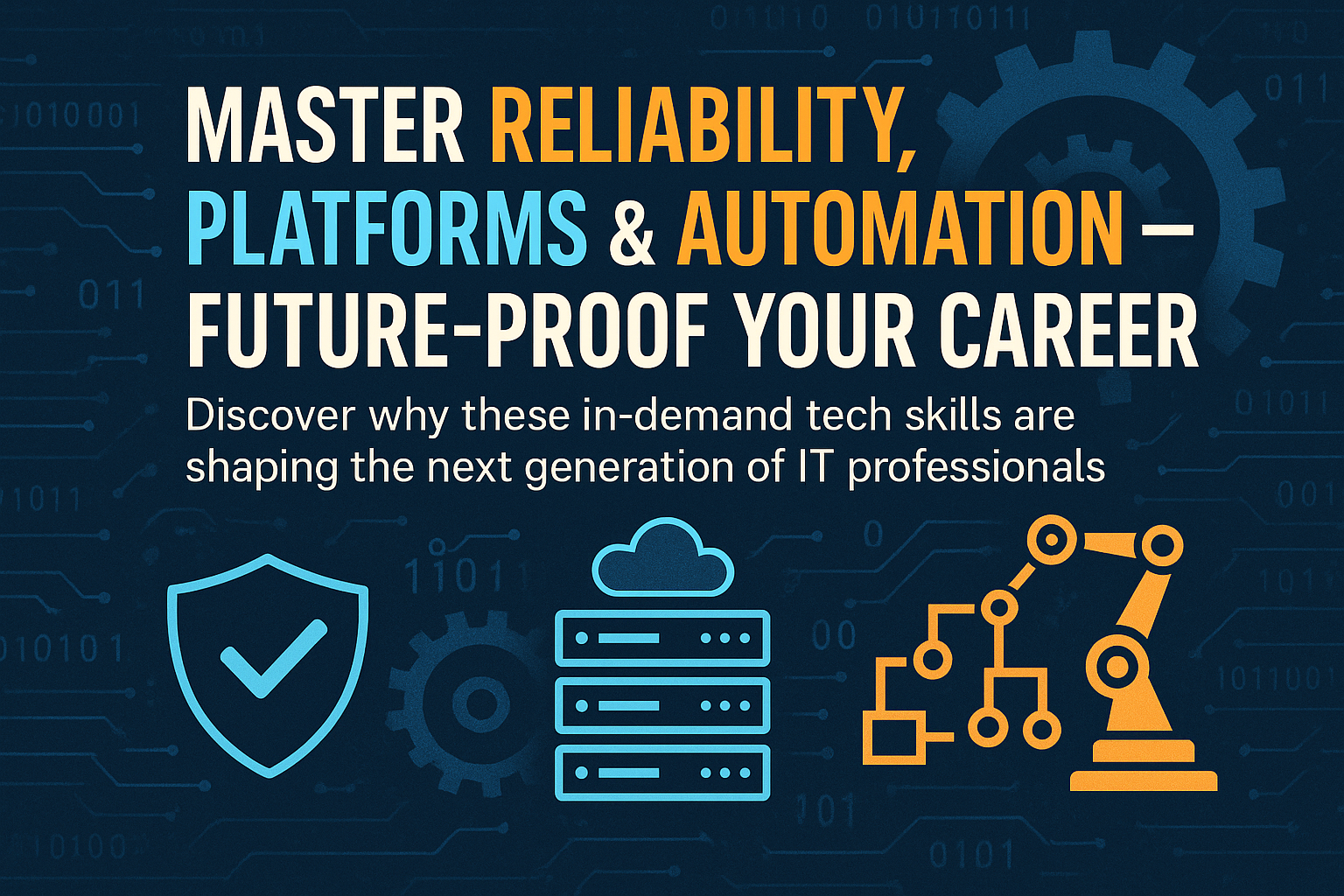
As technology continues to evolve at a breakneck pace, the field of Site Reliability Engineering (SRE) is no longer just about keeping systems up and running—it’s about preparing for the future of complex, high-scale infrastructure. Between 2026 and 2030, organizations will demand next-gen reliability skills that combine technical expertise, automation mastery, and leadership foresight.
The Future of Reliability
Modern systems are increasingly distributed, cloud-native, and powered by AI/ML workloads. This complexity requires engineers to not only monitor uptime but also predict failures before they occur. Predictive SRE is set to become a game-changer: leveraging AI-driven anomaly detection, automated remediation, and self-healing systems to prevent incidents before they impact users. Professionals who can implement these strategies will be highly sought after.
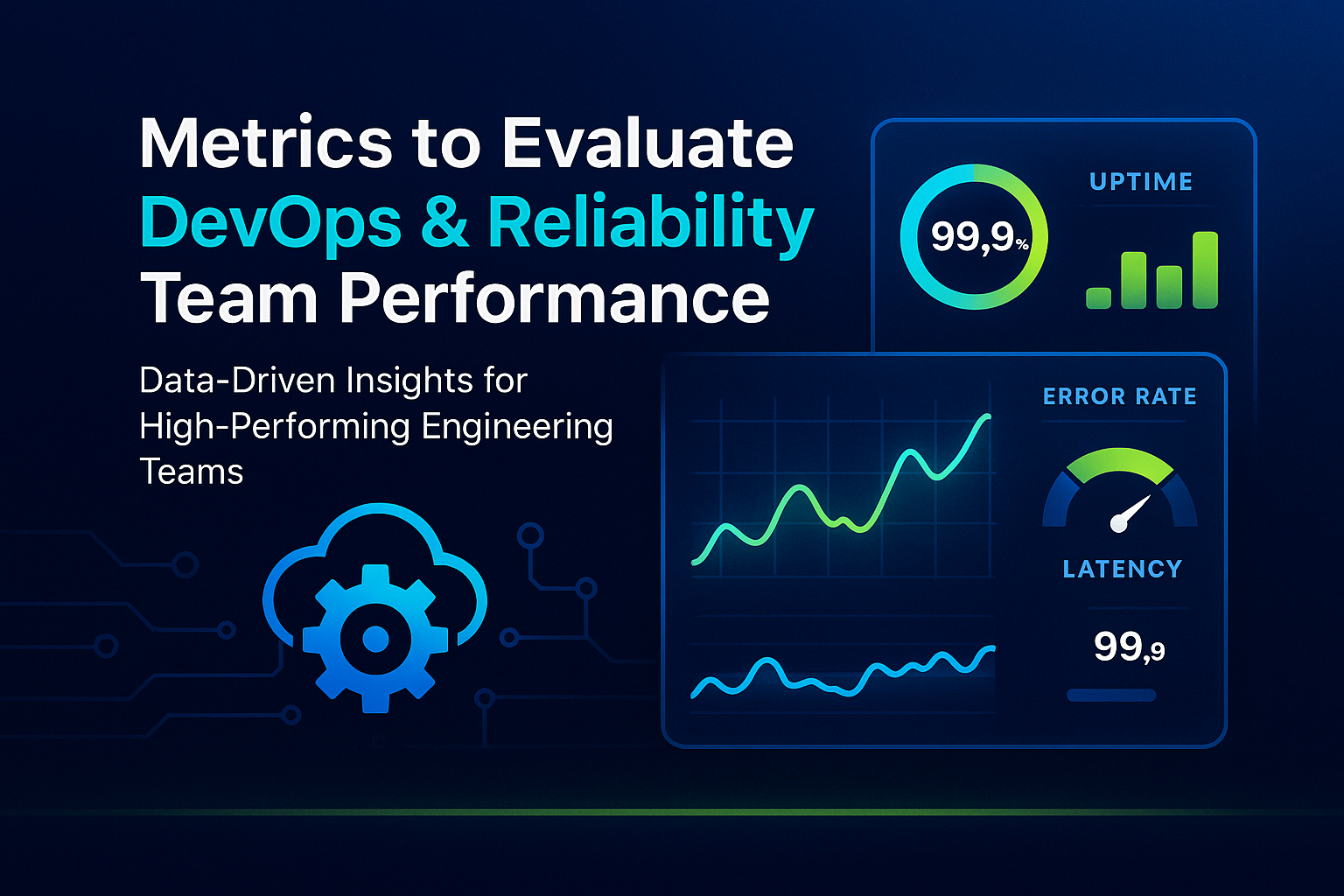
Another key skill for the next era is observability at scale. Traditional monitoring is no longer sufficient. Engineers will need to master telemetry collection across logs, metrics, and traces while integrating these insights into decision-making dashboards. Understanding how to design robust observability pipelines ensures early detection of performance issues and helps teams maintain high reliability SLAs.
Want to learn how to excel in SRE leadership and build next-gen reliability skills? Check out our complete guide here: SRE Lead
Automation and Infrastructure Mastery
Automation continues to dominate the reliability landscape. Engineers of the future will need advanced skills in Infrastructure-as-Code (IaC), automated deployment pipelines, and failure injection techniques like chaos engineering. The ability to design systems that automatically self-correct will separate the leaders from the rest.
Cloud-native expertise is equally critical. Multi-cloud environments, container orchestration, and serverless architectures are becoming mainstream. Professionals who can optimize reliability, cost, and performance across diverse environments will be indispensable in high-growth tech organizations.
Collaboration and Leadership
Reliability in 2026–2030 will be as much about collaboration as technology. SREs will need to work closely with product teams, security engineers, and DevOps to define SLOs, manage error budgets, and influence release strategies. Strong communication and leadership skills will be essential, as reliability decisions increasingly impact business outcomes, not just system uptime.
Moreover, cultivating a reliability-first culture within engineering teams will be crucial. Leaders who can mentor junior engineers, establish best practices, and drive organizational change will have a significant edge in shaping high-performing teams.
SRE Certification Benefits
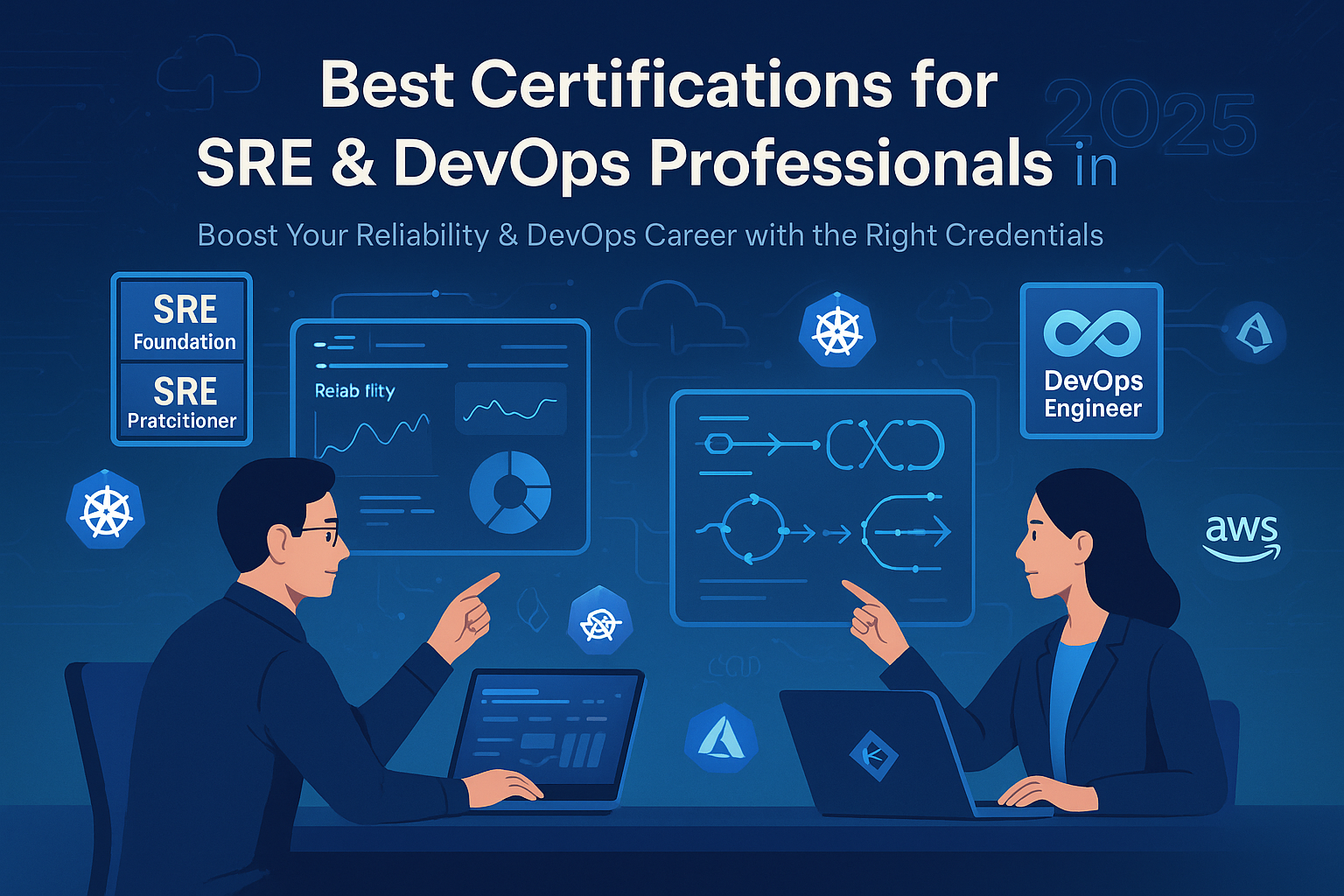
Investing in SRE certification is a strategic move for anyone looking to future-proof their career. Certifications validate practical skills in reliability engineering, automation, monitoring, and incident management. They also provide credibility with employers, demonstrating a commitment to industry best practices.
Certified professionals gain deeper insights into designing resilient systems, managing complex incident responses, and implementing scalable observability frameworks. Additionally, certification often opens doors to higher-paying roles, leadership opportunities, and recognition in a competitive job market. For aspiring reliability leaders, an SRE (Site Reliability Engineering) certification is not just a credential—it’s a gateway to mastering the next generation of skills that will define the future of technology operations.
Preparing for the Next Era
The next five years will bring unprecedented challenges—and opportunities—for reliability professionals. Staying ahead requires mastering predictive analytics, observability, automation, and leadership skills. SREs who embrace these emerging trends will not only ensure system reliability but also drive business success, setting themselves apart as indispensable assets in the tech ecosystem.
By focusing on next-gen reliability skills and leveraging certification programs, professionals can future-proof their careers while contributing to resilient, high-performing systems that meet the demands of tomorrow.






Write a comment ...