
In Site Reliability Engineering (SRE), errors and failures are not just problems to fix—they’re opportunities to learn and improve system resilience. Every failure tells a story about how systems behave under pressure and how processes can evolve to handle that stress. Understanding and managing these errors is essential to maintaining reliability, availability, and user trust.
Lean More: Golden Signals SRE: 4 Keys to Reliable Performance
Understanding Errors in SRE
Errors in SRE refer to any deviation from expected system behavior that affects performance, functionality, or availability. These can stem from multiple areas—code bugs, configuration mistakes, hardware malfunctions, or even poor communication between teams. The goal of an SRE team is not to eliminate all errors (an impossible task), but to reduce the impact and frequency of failures through data-driven decision-making and automation.
SREs approach errors with a mindset of blamelessness and continuous improvement. Instead of pointing fingers, teams analyze the root cause of issues, identify patterns, and create long-term fixes to prevent recurrence.
Common Sources of Failures
Human Error – Misconfigurations or incorrect deployments often lead to downtime. While automation reduces the risk, humans still play a major role in triggering system changes.
Software Bugs – Undetected bugs can create cascading failures, especially in distributed systems.
Infrastructure Failures – Hardware crashes, network latency, or storage outages can disrupt service reliability.
Dependency Failures – External APIs or third-party services can cause unplanned downtime if not properly monitored.
Scaling Issues – Rapid traffic surges can overwhelm systems not designed for elasticity.
By understanding these sources, SRE teams can prioritize which areas pose the most risk and where preventive strategies should focus.
Why SRE Certification Is Important
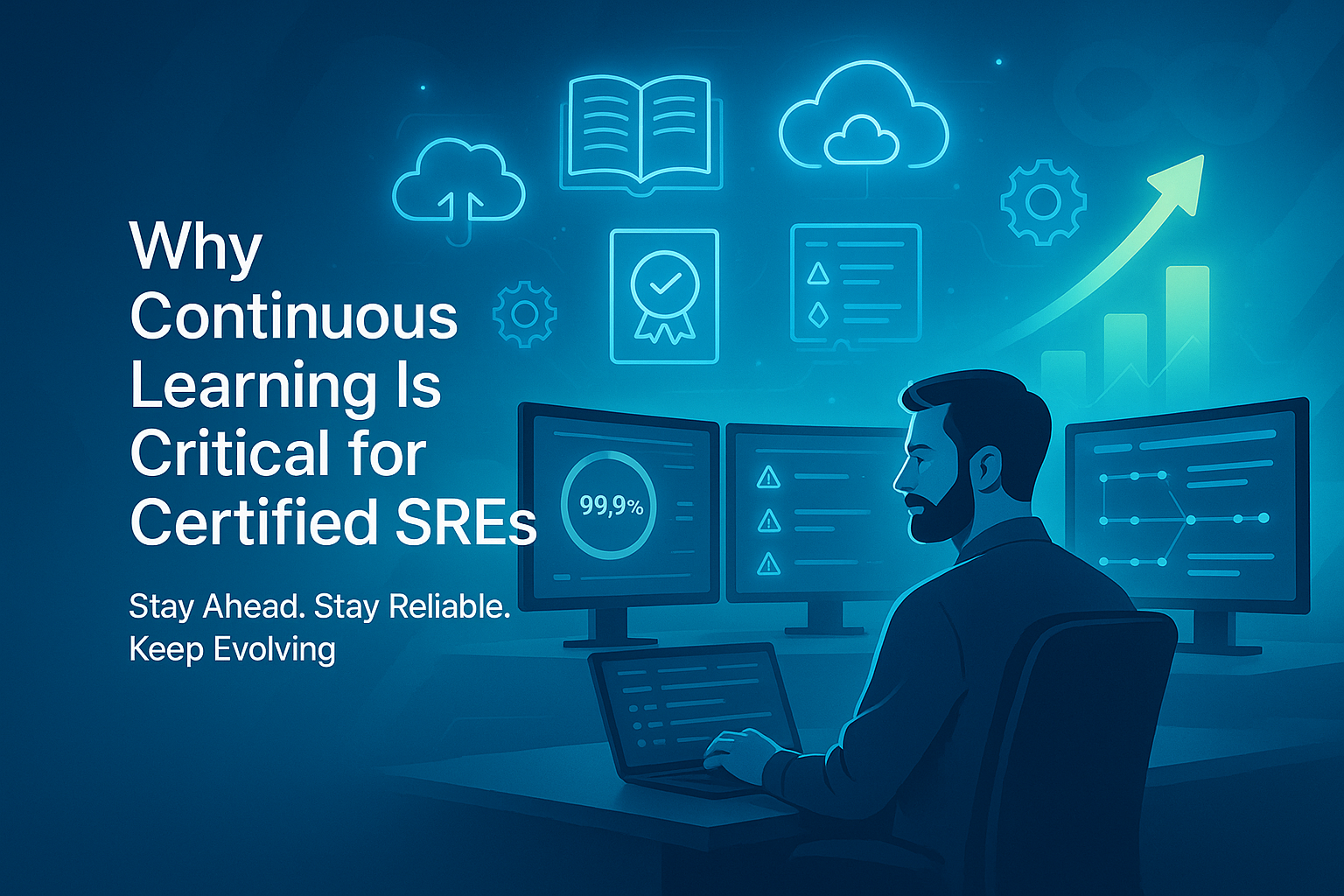
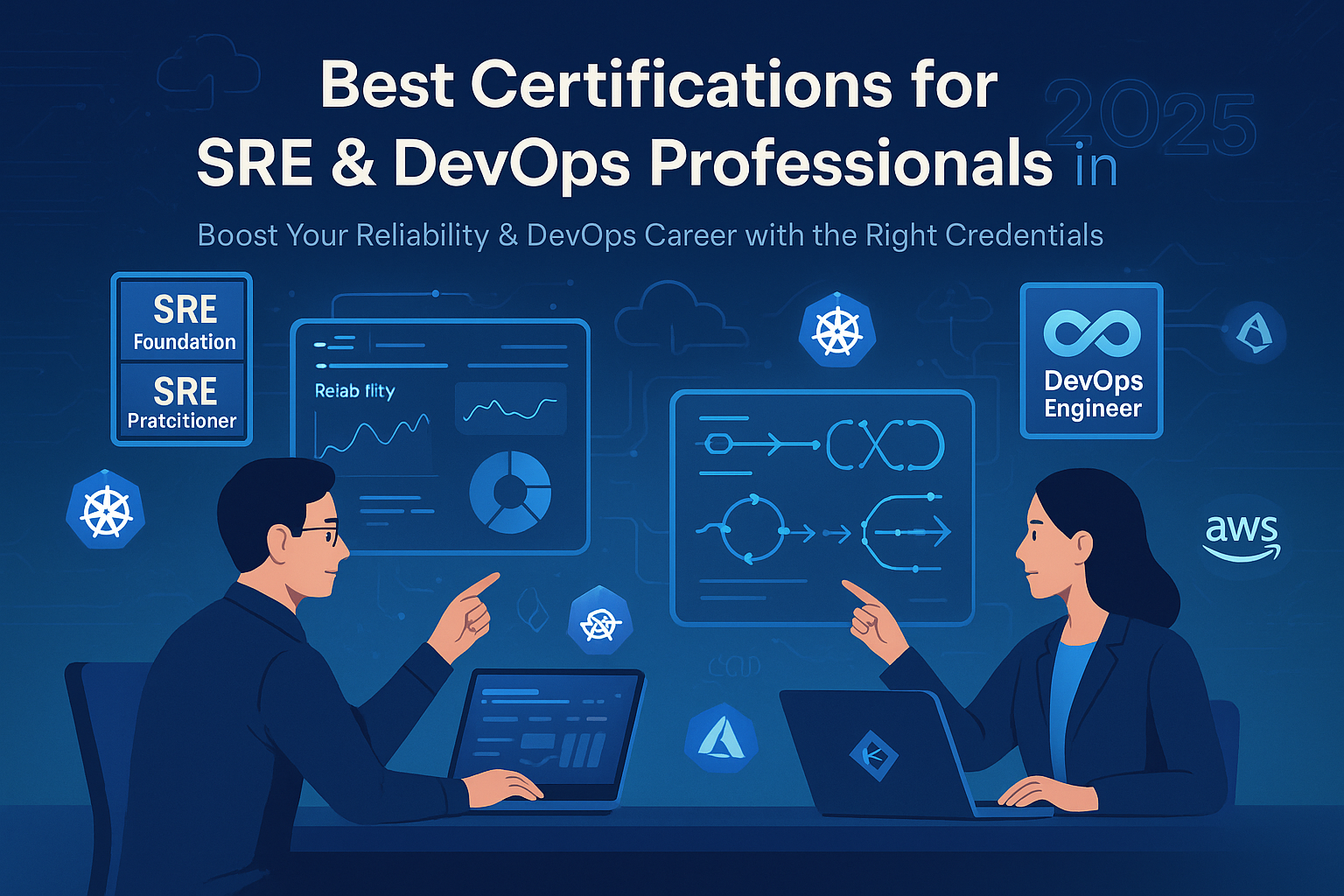
Earning a Site Reliability Engineering (SRE) certification is crucial for professionals aiming to excel in modern IT and DevOps environments. It validates your ability to design and maintain reliable, scalable, and high-performing systems—skills that are in high demand across industries. An SRE certification helps you master critical concepts like automation, monitoring, incident response, and service-level objectives (SLOs), ensuring you can balance innovation with stability. Beyond technical knowledge, it enhances your professional credibility, boosts career growth, and positions you as a key contributor to building resilient digital infrastructures that keep organizations running smoothly.
How to Identify Failures Early
Detection is the first step toward effective error management. A robust monitoring and observability setup helps SREs detect anomalies before they escalate into critical incidents.
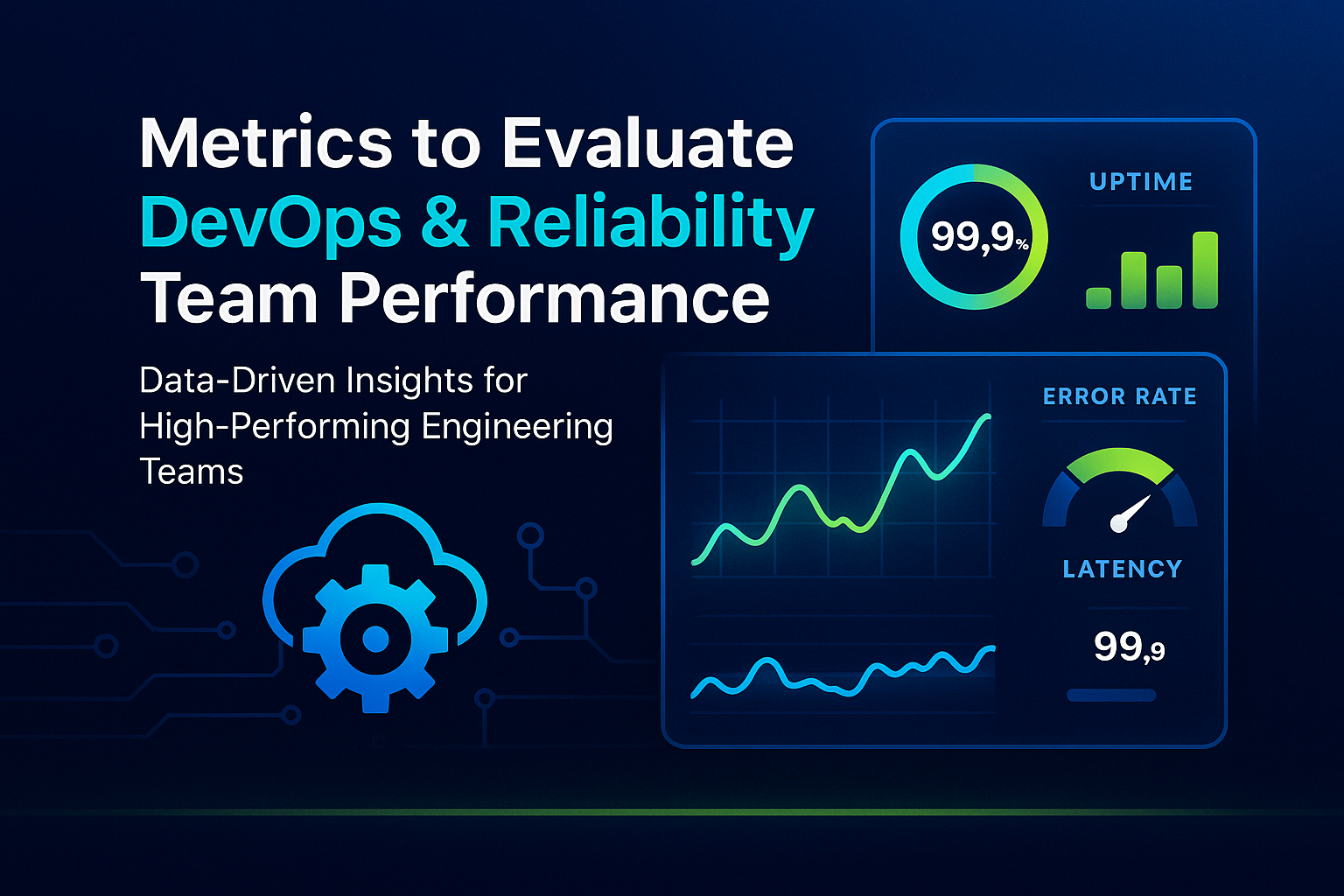
Use the Four Golden Signals – Monitor latency, traffic, errors, and saturation. These metrics offer a complete view of system health.
Set Clear SLOs and SLIs – Define Service Level Objectives (SLOs) and Indicators (SLIs) that reflect real user experience. When metrics breach thresholds, it signals potential issues.
Implement Error Budgets – Track how much unreliability your system can tolerate within a time window. Breaching an error budget signals the need to pause new features and focus on reliability.
Automate Alerts and Dashboards – Use alerting tools like Prometheus, Grafana, or Datadog to automatically detect and visualize problems.
Conduct Regular System Audits – Routine health checks and chaos testing reveal weaknesses before customers do.
Strategies to Reduce Failure Rates
Reducing failure rates requires both proactive and reactive strategies. Here’s how SRE teams accomplish that:
Embrace Automation – Automate deployments, rollbacks, and scaling operations to minimize human error. Infrastructure as Code (IaC) tools like Terraform or Ansible can help maintain consistency.
Conduct Blameless Postmortems – After every incident, review what went wrong without assigning blame. This helps build a culture of learning and trust.
Implement Redundancy and Failover Systems – Use distributed architectures, load balancing, and data replication to avoid single points of failure.
Test Resilience with Chaos Engineering – Introduce controlled disruptions using tools like Gremlin or Chaos Monkey to ensure systems can recover gracefully.
Improve Communication and Documentation – Cross-team collaboration and clear runbooks help teams respond faster during incidents.
The Role of Continuous Improvement
SRE is not a one-time setup—it’s a continuous feedback loop. Every failure is a data point that drives improvement. By integrating observability, automation, and post-incident learning into daily operations, teams can progressively reduce Mean Time to Recovery (MTTR) and increase Mean Time Between Failures (MTBF).
Conclusion
Errors in SRE are inevitable, but how organizations handle them defines their reliability. The key is to identify issues early, respond efficiently, and learn from every failure. By building a culture of transparency, automation, and continuous learning, SRE teams can not only reduce failure rates but also foster resilience and innovation. In the world of reliability engineering, every error becomes a stepping stone toward excellence.












Write a comment ...