
Preparing for the ISO 31000 exam requires a solid understanding of principles, framework components, and real-world risk management practices. Yet, one of the most overlooked elements during preparation is the risk appetite statement—a cornerstone of effective decision-making and a concept the exam frequently tests. Many candidates underestimate its importance, assuming it is only relevant at a senior leadership level. In reality, misunderstanding or ignoring risk appetite can create major gaps in your conceptual clarity, affect your scenario-based responses, and ultimately impact your exam performance.
Learn More: ISO 31000 Exam Preparation: Common Mistakes to Avoid
Why Risk Appetite Matters in ISO 31000
Risk appetite defines the amount and type of risk an organization is willing to pursue or retain to achieve its objectives. ISO 31000 emphasizes that risk management is not about eliminating risks, but about understanding what level of risk is acceptable. This means the risk appetite statement connects risk management with strategy, governance, culture, and performance.
In the ISO 31000 exam, many questions revolve around interpreting scenarios—evaluating whether a risk treatment aligns with the organization’s objectives. Without a strong grasp of how risk appetite guides choices, candidates often choose incorrect or unrealistic actions. So, overlooking this concept during preparation is a costly mistake.
The Most Common Oversight: Treating Risk Appetite as a Definition Only
A major preparation error is studying risk appetite only at the definition level. Many learners memorize the term but fail to understand its practical application. ISO 31000 expects you to know how risk appetite influences:
Risk identification
Assessment priorities
Treatment strategies
Communication and consultation
Monitoring and review
Decision-making under uncertainty
Ignoring the functional role of risk appetite leads to weak exam performance, especially in scenario-based questions.
Understanding the Link Between Risk Appetite, Tolerance, and Thresholds
Candidates often confuse risk appetite, risk tolerance, and risk thresholds, leading to incorrect reasoning in the exam.
Risk appetite is the level of risk an organization wants to take.
Risk tolerance defines the acceptable deviation from expected outcomes.
Risk thresholds indicate the points where escalation or intervention is required.
Without these distinctions, exam answers become vague or misaligned with ISO 31000 principles. Strengthening your understanding of these components helps you provide precise, structured responses.
How It Impacts Scenario-Based Questions
ISO 31000 questions often present situations such as budget constraints, operational disruptions, or compliance concerns. To answer these correctly, you must interpret whether the proposed risk response matches the organization’s appetite.
For example:
A company with a low risk appetite would not pursue aggressive expansion without strong risk controls.
A company with a high strategic risk appetite may accept short-term losses to achieve long-term growth.
Candidates who overlook risk appetite tend to give generic, textbook-style answers. The exam, however, expects practical judgment aligned with organizational context.
Why Risk Appetite Is Often Ignored
There are three main reasons candidates skip this concept:
It appears subjective, so learners think it’s not heavily tested.
It is not deeply technical, so candidates assume it’s optional.
Most free resources under-explain it, leaving learners unclear.
However, risk appetite appears in multiple areas of ISO 31000, making it a recurring exam theme.
How to Strengthen Understanding During Preparation
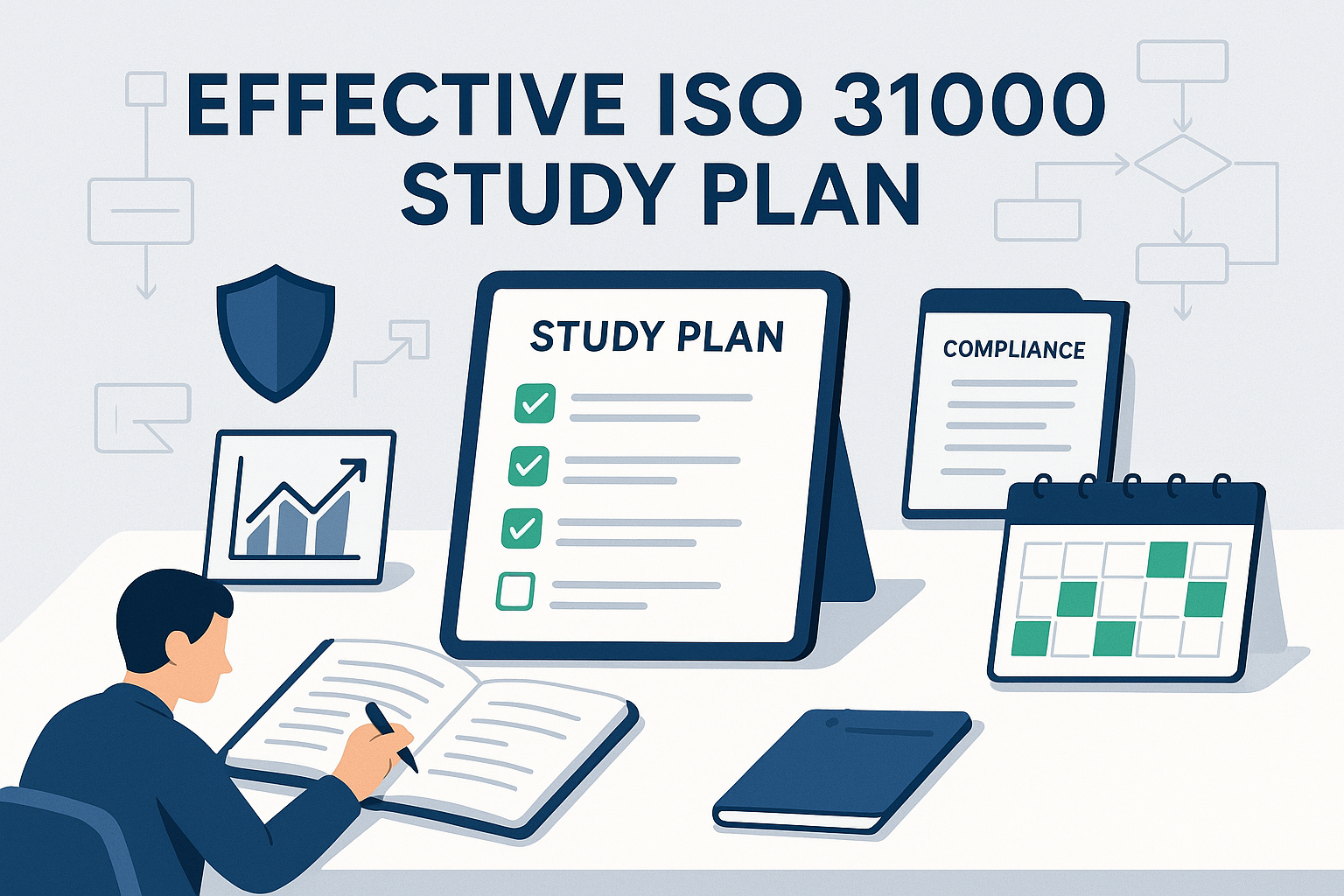
To avoid this mistake, include these activities in your study plan:
Review real-world risk appetite statements from different industries.
Practice mapping risks to appetite, tolerance, and thresholds.
Solve scenario-based questions focused on decision-making.
Analyze how risk appetite influences governance and culture.
Create simple examples to explain risk appetite in your own words.
Why ISO 31000 Certification Is Essential for Your Professional Growth
ISO 31000 certification is more than just a credential—it’s a powerful career accelerator that proves your ability to identify, analyze, and manage risks in a structured, globally recognized way. In today’s unpredictable business environment, organizations actively look for professionals who can build resilience, reduce uncertainties, and drive confident decision-making. By pursuing ISO 31000 certification, you position yourself as a trusted risk leader who understands not only the principles of effective risk management but also how to apply them in real-world scenarios. It opens doors to senior roles, enhances your strategic thinking, and makes you a valuable asset in industries ranging from finance and IT to manufacturing and governance. If you aim to stand out, lead smarter, and future-proof your career, this certification is a smart investment.
Final Thoughts
Overlooking risk appetite statements during ISO 31000 preparation is more than a minor oversight—it affects your ability to think like a risk manager. The exam doesn’t just test knowledge; it tests judgment, clarity, and alignment with the ISO 31000 principles. By giving proper attention to risk appetite and its related concepts, you strengthen both your exam readiness and your real-world risk management capability.












Write a comment ...