
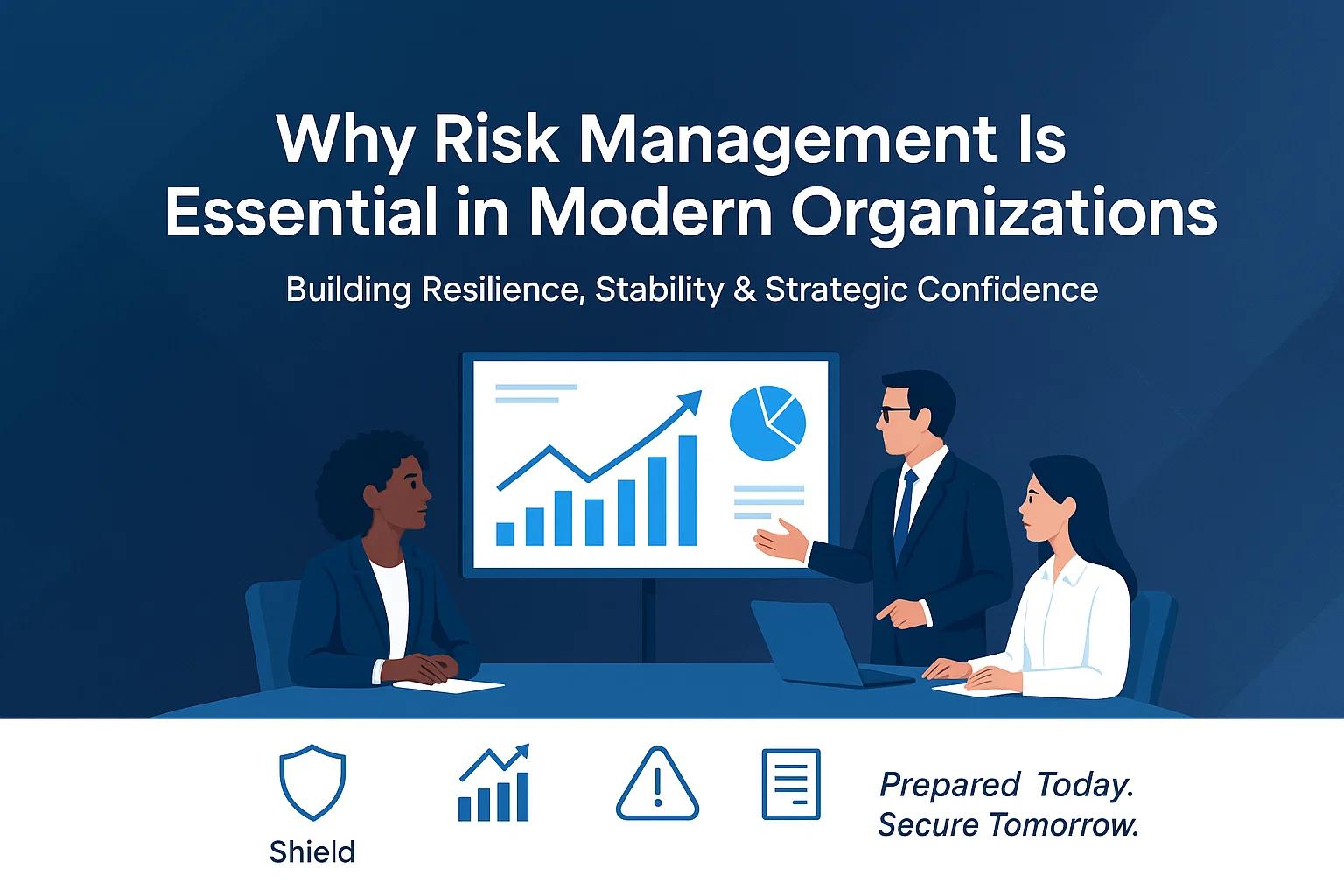
In today’s rapidly evolving business environment, organizations face a growing range of risks—from cybersecurity threats and regulatory changes to operational failures and financial uncertainties. Yet, the biggest risk for many companies isn’t the external environment itself; it’s the lack of organizational risk awareness. When employees, leaders, and teams are not aligned on how to identify, assess, and respond to risks, even minor issues can escalate into major disruptions.
Building a culture of risk awareness is therefore essential for sustainable success. It helps organizations make better decisions, protect assets, and respond proactively to emerging challenges.
Learn More: Master the ISO 31000 Risk Management Framework Today
Why Risk Awareness Matters
Risk awareness goes beyond documenting risks in a register. It reflects how well employees understand:
Potential threats and vulnerabilities
Their role in managing risks
The impact of risks on business outcomes
How to escalate, report, or mitigate issues
High risk awareness ensures that risk management is not just the responsibility of the risk department but a shared responsibility across the organization.
Organizations with strong risk awareness often experience:
Fewer operational disruptions
Faster response during incidents
Better regulatory compliance
Increased customer and stakeholder trust
How to Measure Organizational Risk Awareness
Measuring risk awareness helps identify strengths, gaps, and improvement areas. Here are the most effective methods:
1. Risk Awareness Surveys
Anonymous surveys allow employees to self-assess their knowledge of risks, policies, and reporting procedures. Questions typically test risk perception, understanding of controls, and confidence in responding to incidents.
2. Incident and Near-Miss Data
A decline in near-miss reporting often signals low awareness, not fewer issues. Tracking reporting trends helps assess whether employees understand and value risk reporting.
3. Training Participation and Assessment Scores
Monitoring participation in risk-related training programs, along with post-training assessment scores, reveals how effectively employees are absorbing risk management concepts.
4. Compliance Audit Results
Internal or external audit findings highlight the level of adherence to policies and the consistency of risk management practices across the organization.
5. Leadership Feedback and Observations
Managers can provide insights into employee behavior, adherence to risk protocols, and risk-related decision-making patterns.
Strategies to Improve Risk Awareness
After measuring awareness levels, organizations should focus on systematic improvement. Key strategies include:
1. Implement Continuous Risk Training
Regular workshops, micro-learning modules, and scenario-based training help employees stay updated on new risks and best practices.
2. Communicate Risk Clearly and Frequently
Use internal newsletters, dashboards, and town halls to share updates about emerging risks, incidents, and preventive measures.
3. Promote a Speak-Up Culture
Encourage employees to report risks or concerns without fear of blame. Recognition programs can help reinforce positive behavior.
4. Integrate Risk Awareness into Daily Operations
Embedding risk considerations into workflows—such as checklists, decision frameworks, and approval processes—ensures consistent application.
5. Leverage Technology
Risk management software, AI-driven risk analytics, and automated reporting tools improve visibility and make risk discussions more data-driven.
Why ISO 31000 Certification Is Important for Building Risk Awareness
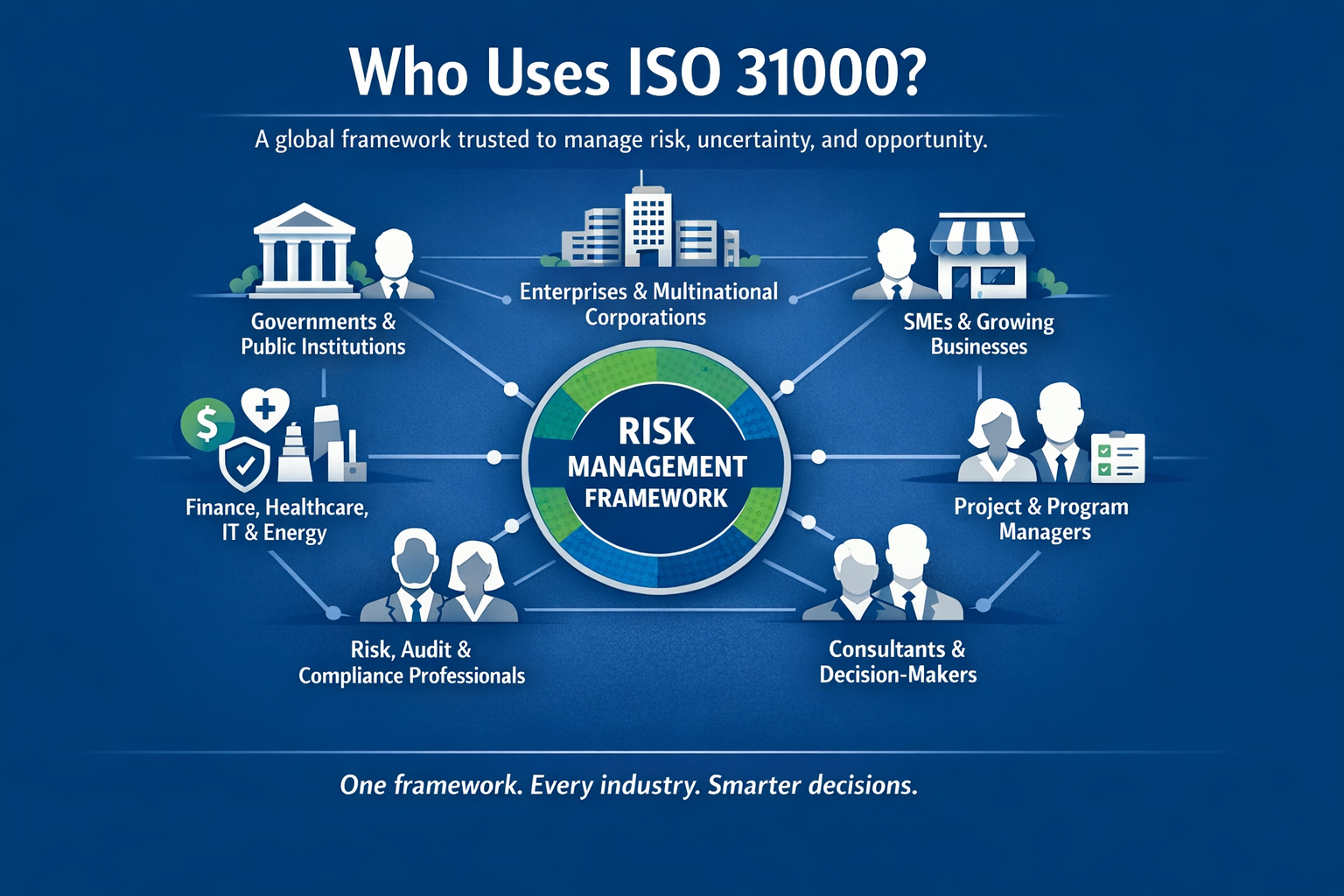
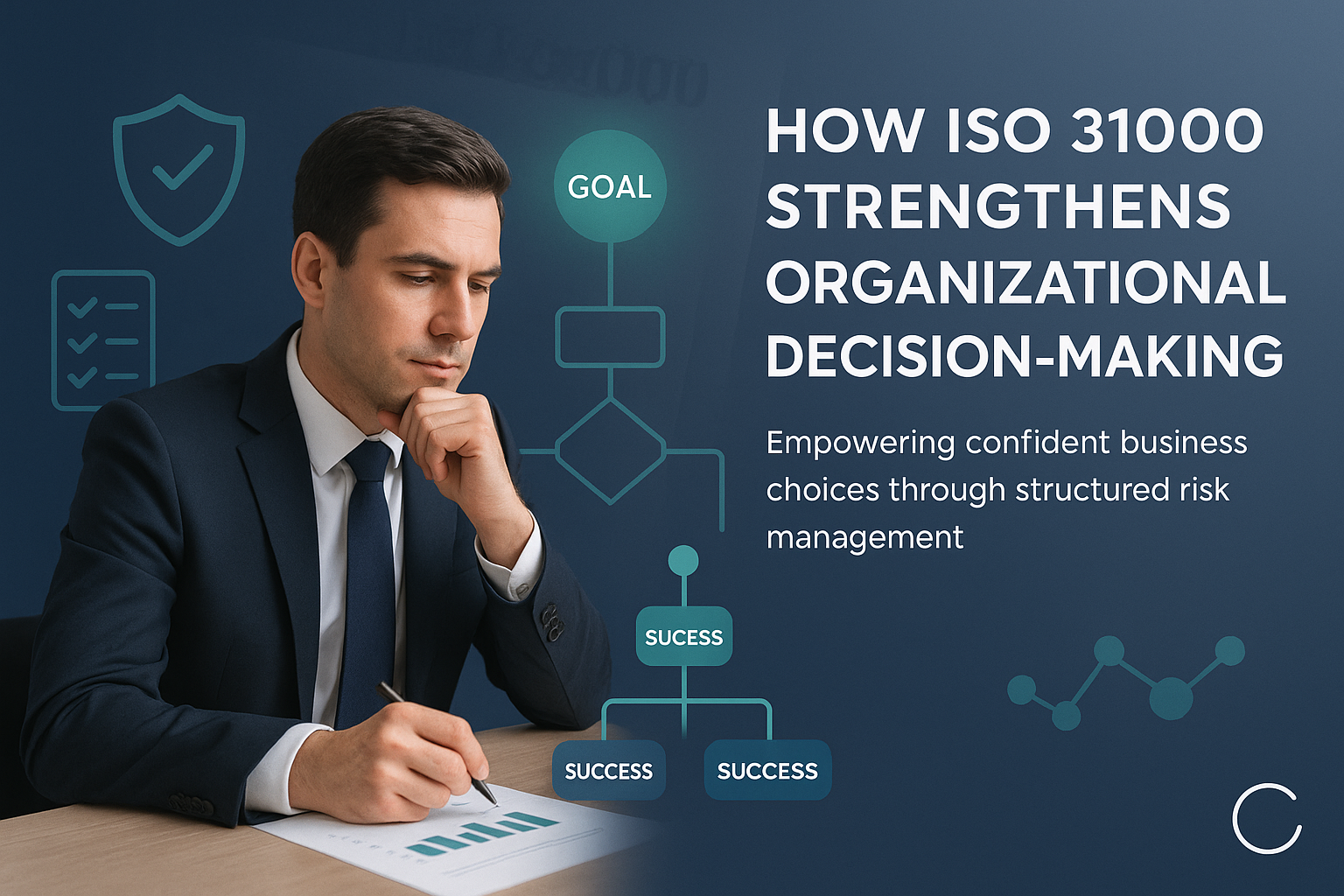
ISO 31000 is the globally recognized standard for risk management. It offers a structured, proven framework that helps organizations create a consistent and proactive risk culture.
Here’s why ISO 31000 certification is crucial for improving organizational risk awareness:
Provides a universal language of risk: Employees across teams follow the same terminology, processes, and risk categories.
Enhances leadership commitment: Certification requires strong executive involvement, ensuring risk awareness is driven from the top.
Strengthens training and competence: The standard promotes systematic training that elevates risk understanding across the organization.
Improves decision-making: With ISO 31000 principles, employees learn to evaluate risk as part of everyday decisions.
Builds stakeholder confidence: Certification demonstrates that the organization prioritizes transparency, compliance, and proactive risk management.
Ultimately, ISO 31000 certification helps organizations move from reactive to preventive, creating a culture where everyone understands, anticipates, and manages risks effectively.




Write a comment ...