
The evolution of IT service management frameworks has always reflected changes in technology, business expectations, and organizational maturity. ITIL 4 marked a major shift from process-heavy service management to a value-driven, flexible framework aligned with Agile, DevOps, and Lean practices. Now, with discussions and early adoption signals around ITIL Version 5 (ITIL v5), professionals are increasingly curious about how it conceptually differs from ITIL 4.
Rather than being a complete replacement, ITIL Version 5 certification represents a refinement and modernization of ITIL 4 concepts, shaped by real-world implementation feedback, digital-first enterprises, and outcome-based service delivery models. This article breaks down the core conceptual differences between ITIL v5 and ITIL 4, helping organizations and professionals understand what’s changing—and why it matters.
1. From Framework Adoption to Value Realization
One of the most important conceptual differences lies in how value is viewed and measured.
ITIL 4 Perspective
ITIL 4 introduced the Service Value System (SVS), emphasizing value co-creation between service providers and consumers. While this was a significant improvement over earlier versions, many organizations still struggled to translate theory into measurable outcomes.
ITIL v5 Perspective
ITIL v5 shifts the focus further—from value definition to value realization. The emphasis is not just on designing value streams, but on continuously validating whether services are actually delivering business outcomes. ITIL v5 encourages organizations to:
Tie services directly to business KPIs
Measure outcomes rather than outputs
Adapt services dynamically based on performance data
Conceptually, ITIL v5 treats value as evolving, not static.
2. Stronger Integration with Digital and Product-Centric Models
ITIL 4 Perspective
ITIL 4 introduced flexibility and acknowledged Agile and DevOps, but it often positioned them as compatible practices rather than core operating models.
ITIL v5 Perspective
ITIL v5 conceptually aligns more closely with product-centric and digital operating models. Services are increasingly viewed as digital products with lifecycles, customer journeys, and continuous enhancements.
Key conceptual shifts include:
Viewing services as living products
Stronger alignment between IT, product teams, and business units
Emphasis on customer experience (CX) alongside service performance
This makes ITIL v5 more suitable for SaaS, cloud-native, and platform-based organizations.
3. Governance Becomes Adaptive, Not Prescriptive
ITIL 4 Perspective
Governance in ITIL 4 focused on ensuring alignment with organizational strategy while maintaining control. However, governance structures were sometimes perceived as rigid in fast-moving environments.
ITIL v5 Perspective
ITIL v5 introduces a more adaptive governance mindset. Rather than fixed decision-making hierarchies, governance is contextual and responsive.
Conceptually, this means:
Decision-making authority shifts closer to execution teams
Policies act as guardrails, not roadblocks
Governance evolves based on risk, impact, and business speed
This approach supports innovation without compromising accountability.
4. Practices Evolve from “Best Practice” to “Fit-for-Purpose”
ITIL 4 Perspective
ITIL 4 replaced processes with 34 practices, allowing organizations to adopt what they need. However, many organizations still attempted to implement practices wholesale.
ITIL v5 Perspective
ITIL v5 reinforces the idea that no practice is universal. Practices are treated as modular capabilities that must be adapted based on:
Organizational maturity
Industry context
Regulatory environment
Business goals
The conceptual shift here is from “best practice” to “right practice at the right time.”
5. Continuous Improvement Becomes Continuous Adaptation
ITIL 4 Perspective
ITIL 4 introduced a structured continuous improvement model focused on iterative enhancements.
ITIL v5 Perspective
ITIL v5 expands this into continuous adaptation. The framework recognizes that modern organizations face constant disruption—AI, automation, regulatory change, and customer expectations evolve rapidly.
Conceptually, improvement in ITIL v5:
Is data-driven and real-time
Relies heavily on analytics and feedback loops
Focuses on resilience, not just efficiency
Improvement is no longer periodic—it’s embedded into daily operations.
6. Increased Emphasis on Risk and Resilience
ITIL 4 Perspective
Risk management existed but was often implicit within practices and governance.
ITIL v5 Perspective
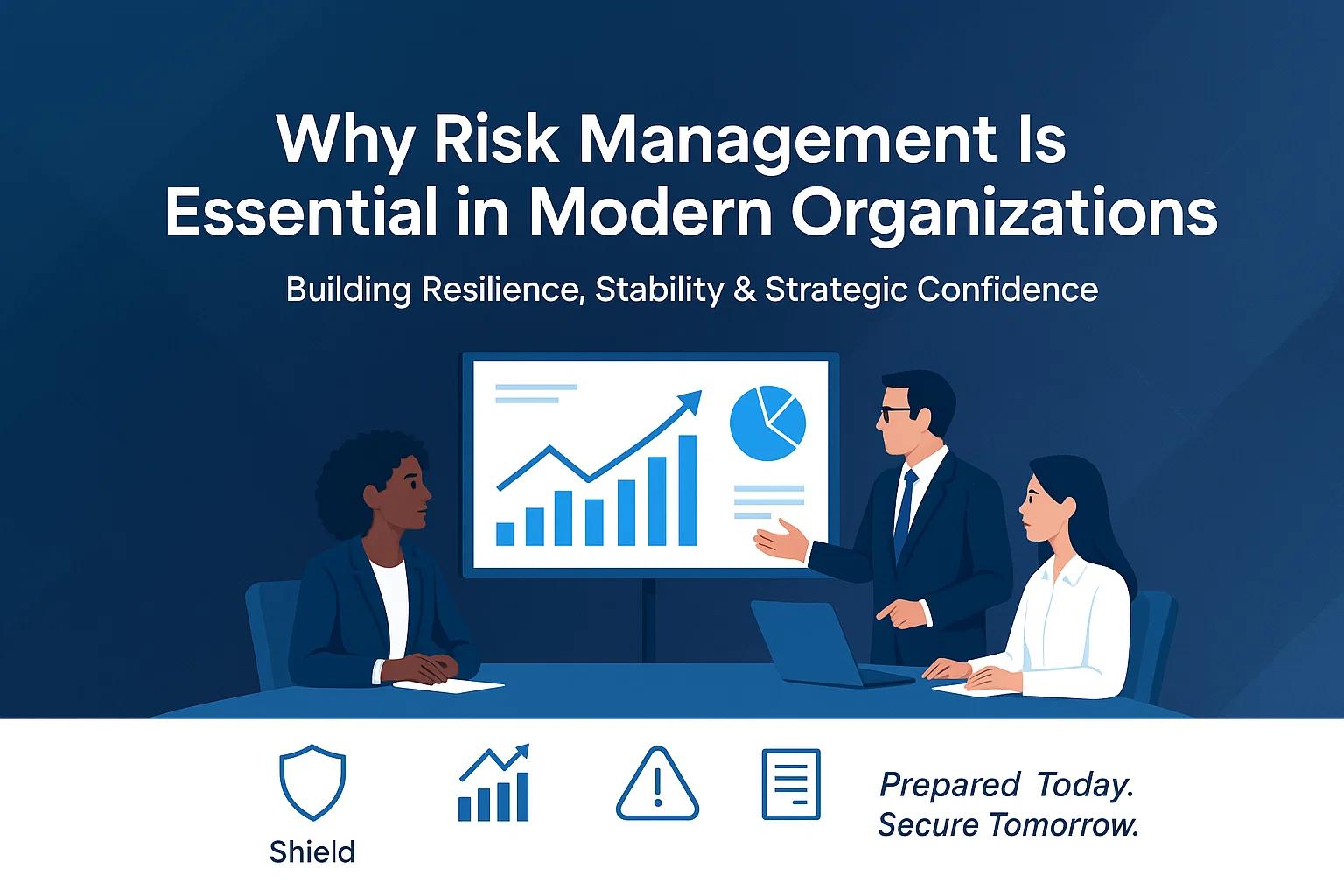
ITIL v5 elevates risk, resilience, and continuity as central concepts. Organizations are encouraged to design services that can absorb disruption rather than simply prevent it.
This includes:
Proactive risk identification
Business continuity as a design principle
Stronger integration with enterprise risk management
Conceptually, ITIL v5 treats uncertainty as inevitable—and manageable.
7. Human-Centric and Capability-Driven Mindset
ITIL 4 Perspective
ITIL 4 acknowledged the importance of culture, collaboration, and skills, but implementation often remained tool- or process-focused.
ITIL v5 Perspective
ITIL v5 places stronger emphasis on human capabilities, leadership behaviors, and organizational culture. Skills development, collaboration, and decision-making maturity are seen as critical enablers of service excellence.
The framework conceptually recognizes that tools don’t deliver value—people do.
8. Alignment with Emerging Technologies
ITIL 4 Perspective
ITIL 4 acknowledged automation and emerging technologies but left implementation largely open-ended.
ITIL v5 Perspective
ITIL v5 is conceptually designed with AI, automation, and data-driven operations in mind. While still technology-agnostic, it encourages organizations to:
Use AI for predictive insights
Automate low-value activities
Leverage data for smarter service decisions
This makes ITIL v5 more future-ready.
How ITIL Version 5 Certification Enhances Career Growth
Earning an ITIL Version 5 certification can significantly enhance career growth by equipping professionals with a modern, value-oriented approach to IT service management. As organizations increasingly adopt digital, agile, and product-centric operating models, ITIL v5 knowledge helps professionals align IT services with business outcomes, improve decision-making, and lead service improvement initiatives with confidence. The certification demonstrates an individual’s ability to adapt to evolving technologies, manage risk, and deliver measurable value—skills that are highly sought after in roles such as IT service manager, process owner, IT consultant, and digital transformation lead. By validating both strategic understanding and practical adaptability, ITIL v5 certification strengthens professional credibility and opens doors to higher-responsibility roles and long-term career advancement.
Conclusion
The conceptual differences between ITIL v5 and ITIL 4 are less about radical change and more about maturity, adaptability, and outcome focus. ITIL 4 laid the foundation for flexible, value-driven service management. ITIL v5 builds on that foundation by sharpening the focus on real-world application, digital operating models, adaptive governance, and continuous value realization.
For organizations already using ITIL 4, ITIL v5 should be seen not as a disruption, but as a natural evolution—one that aligns IT service management more closely with modern business realities and future challenges.




Write a comment ...